
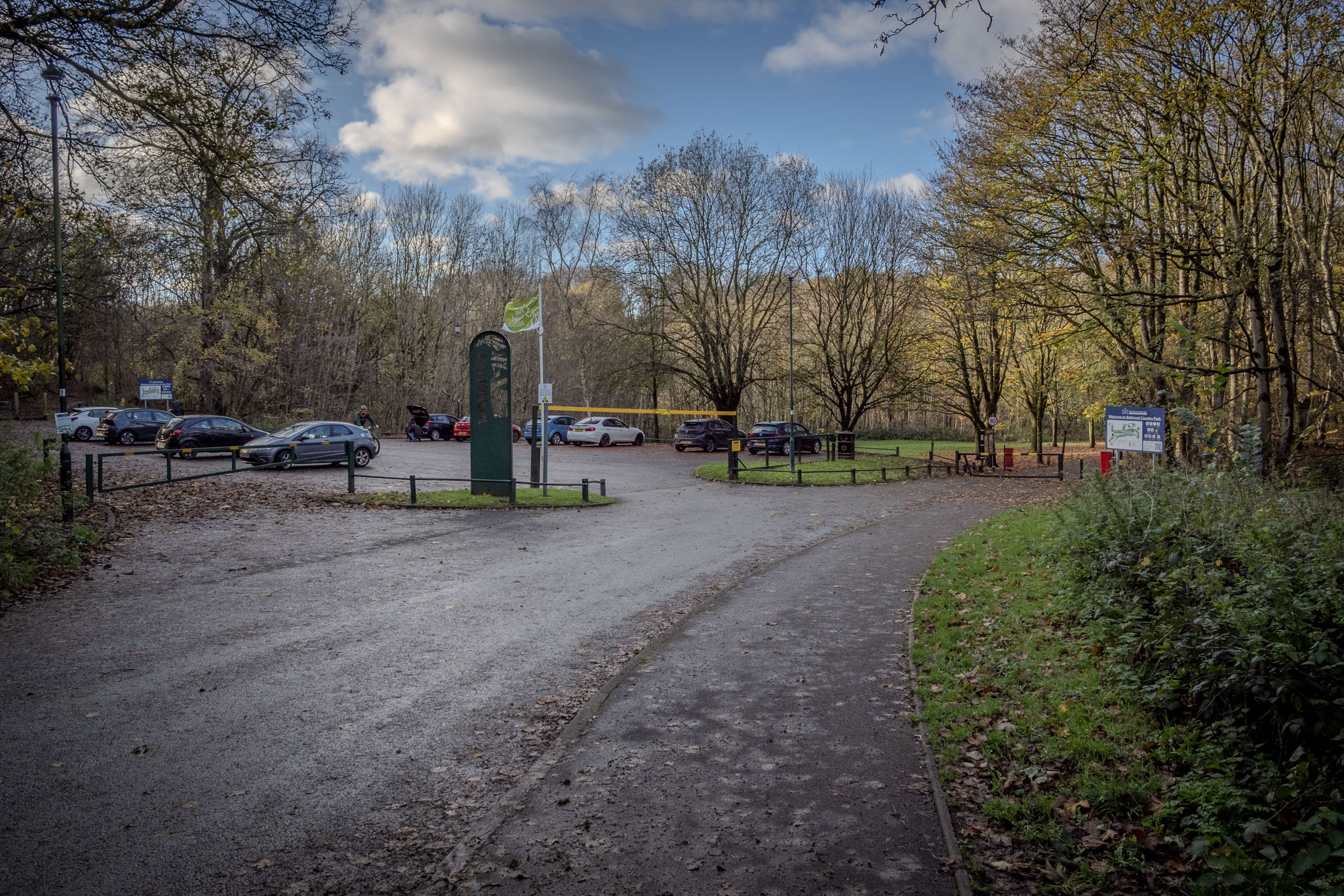
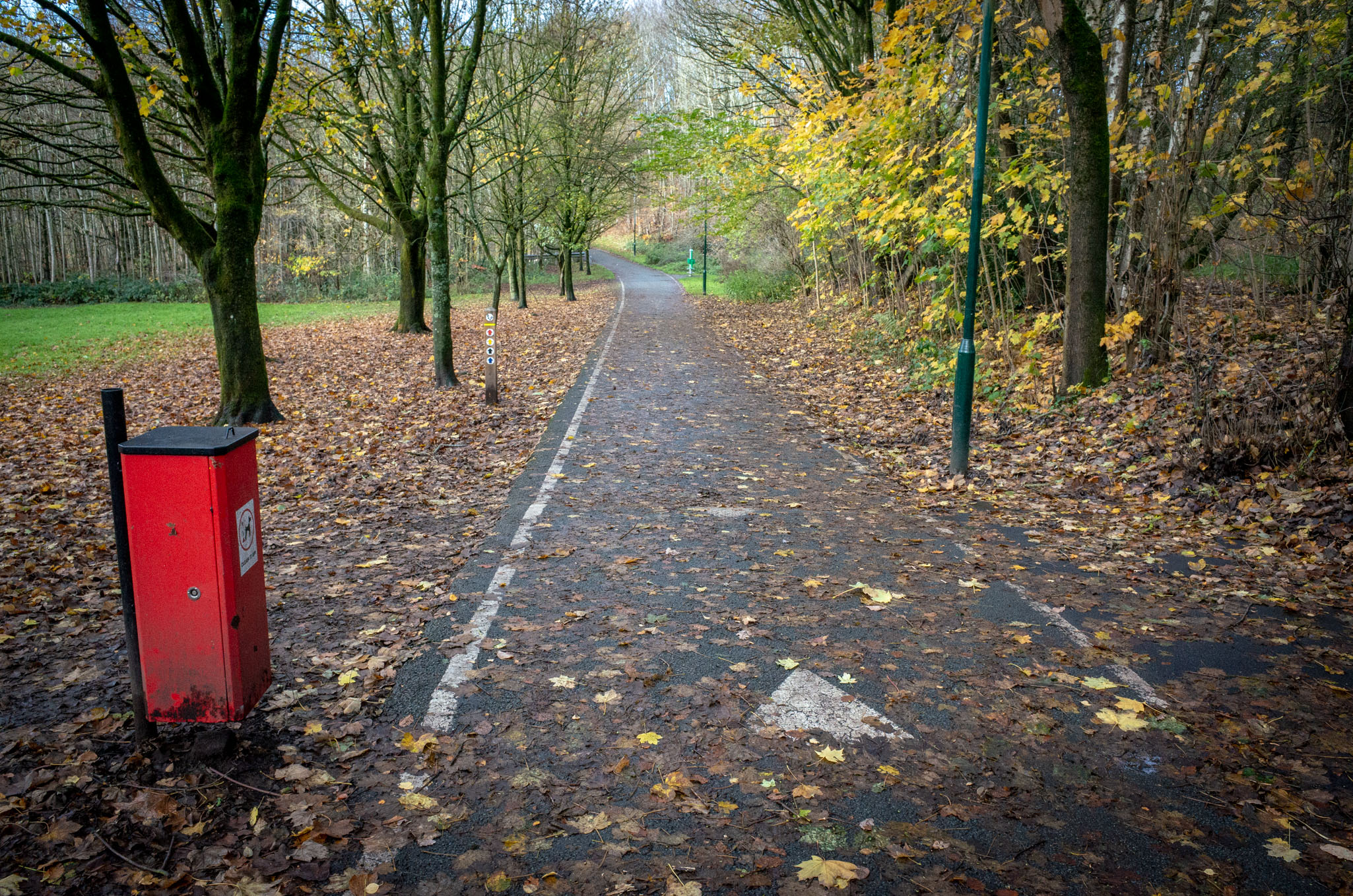
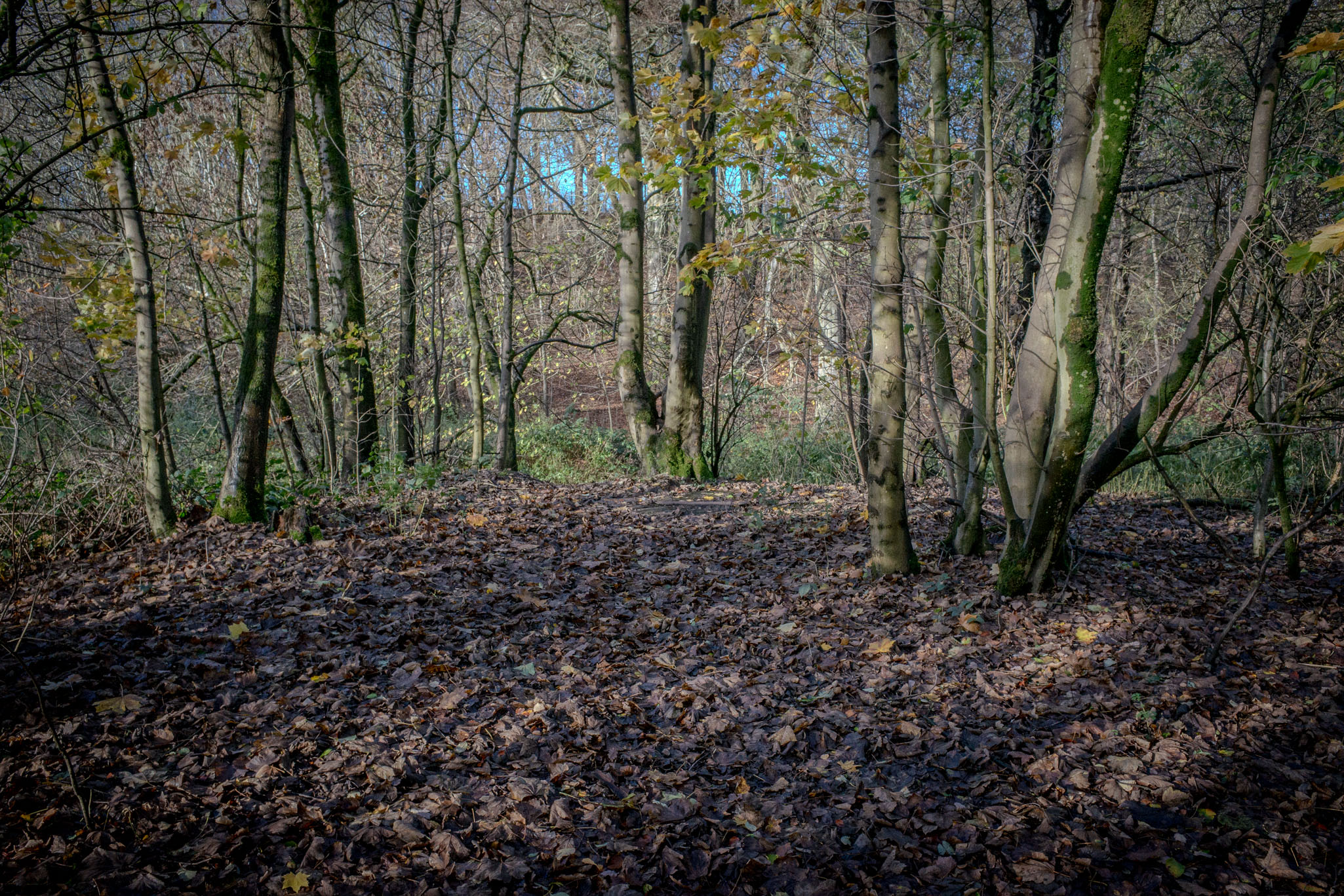
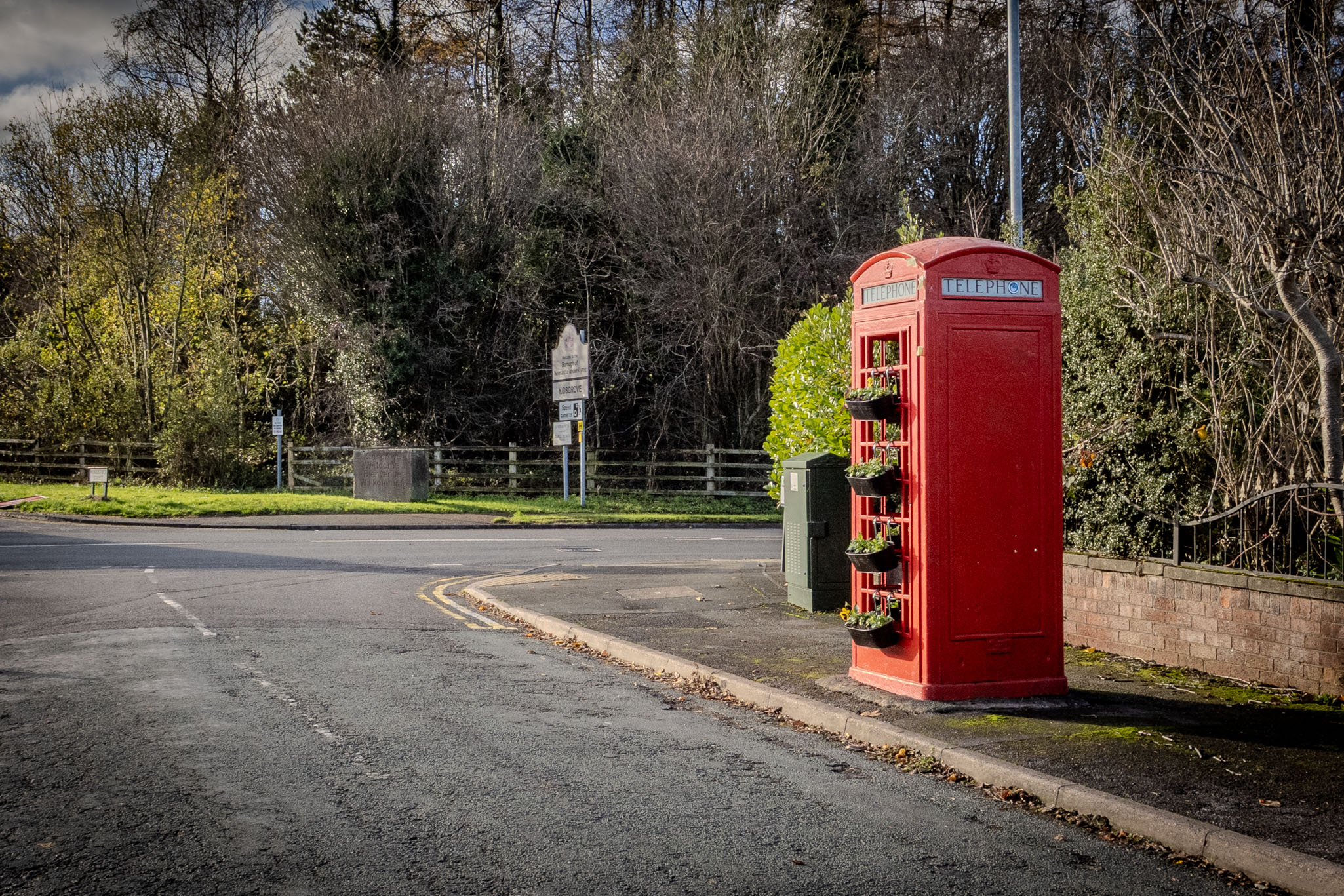
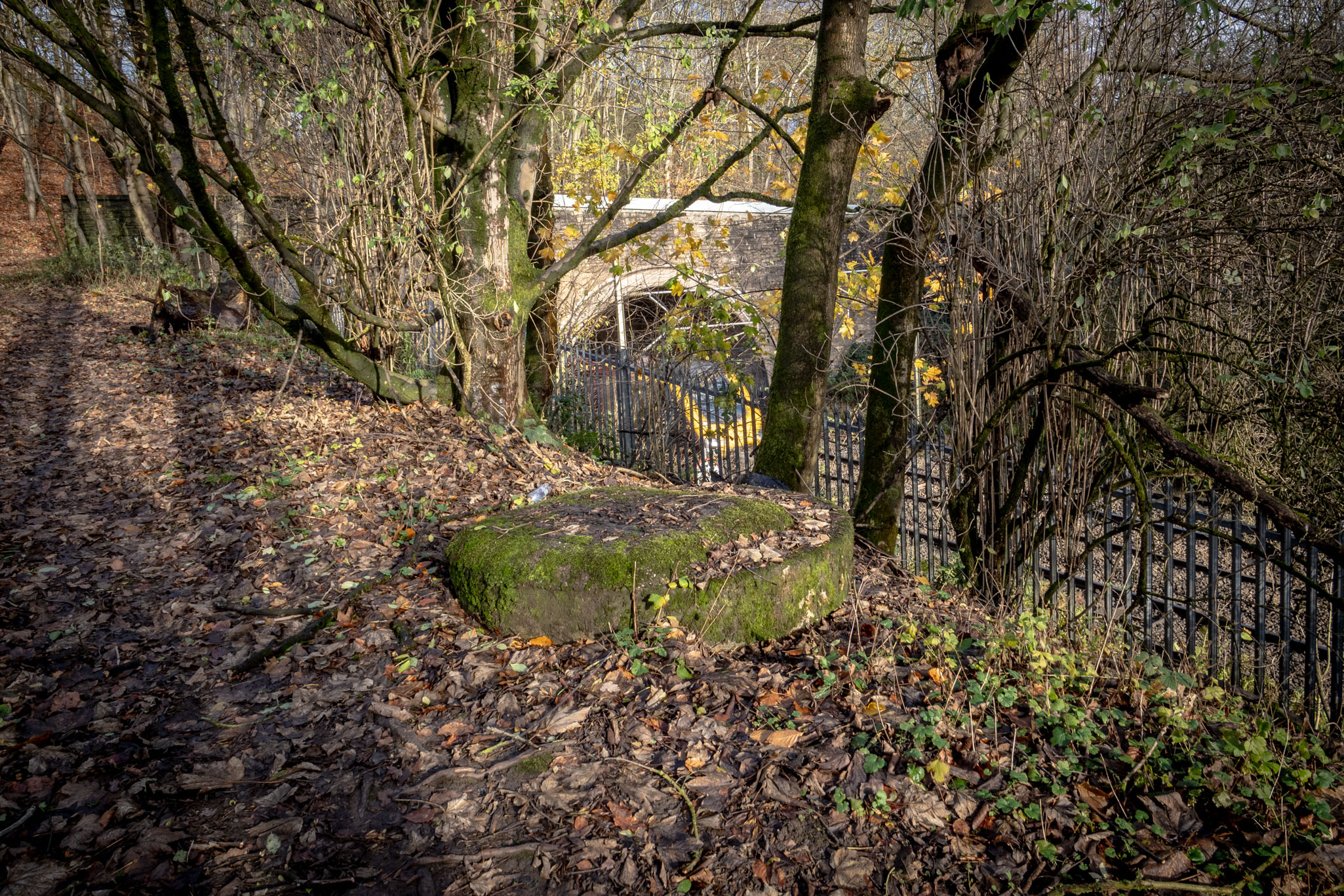
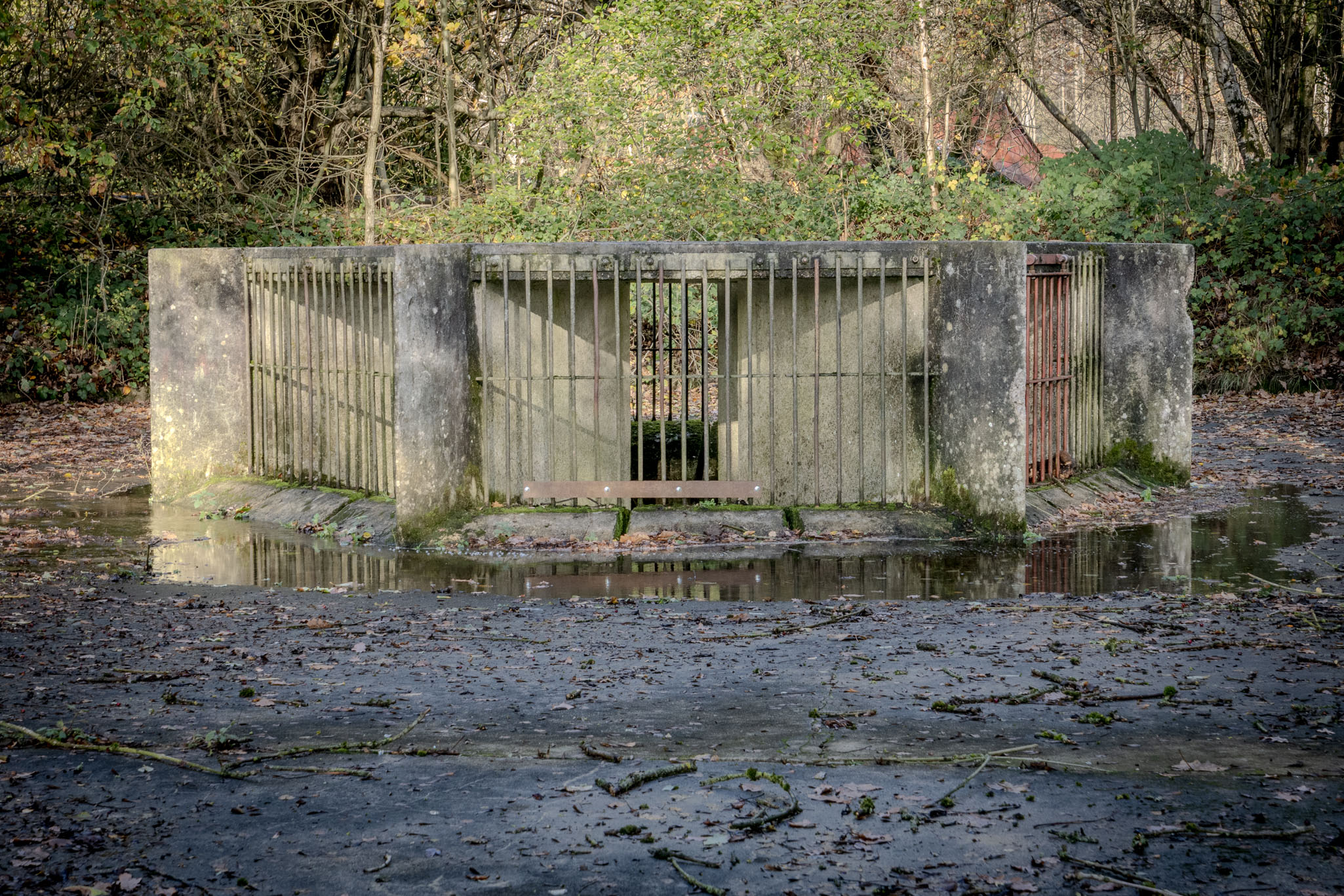
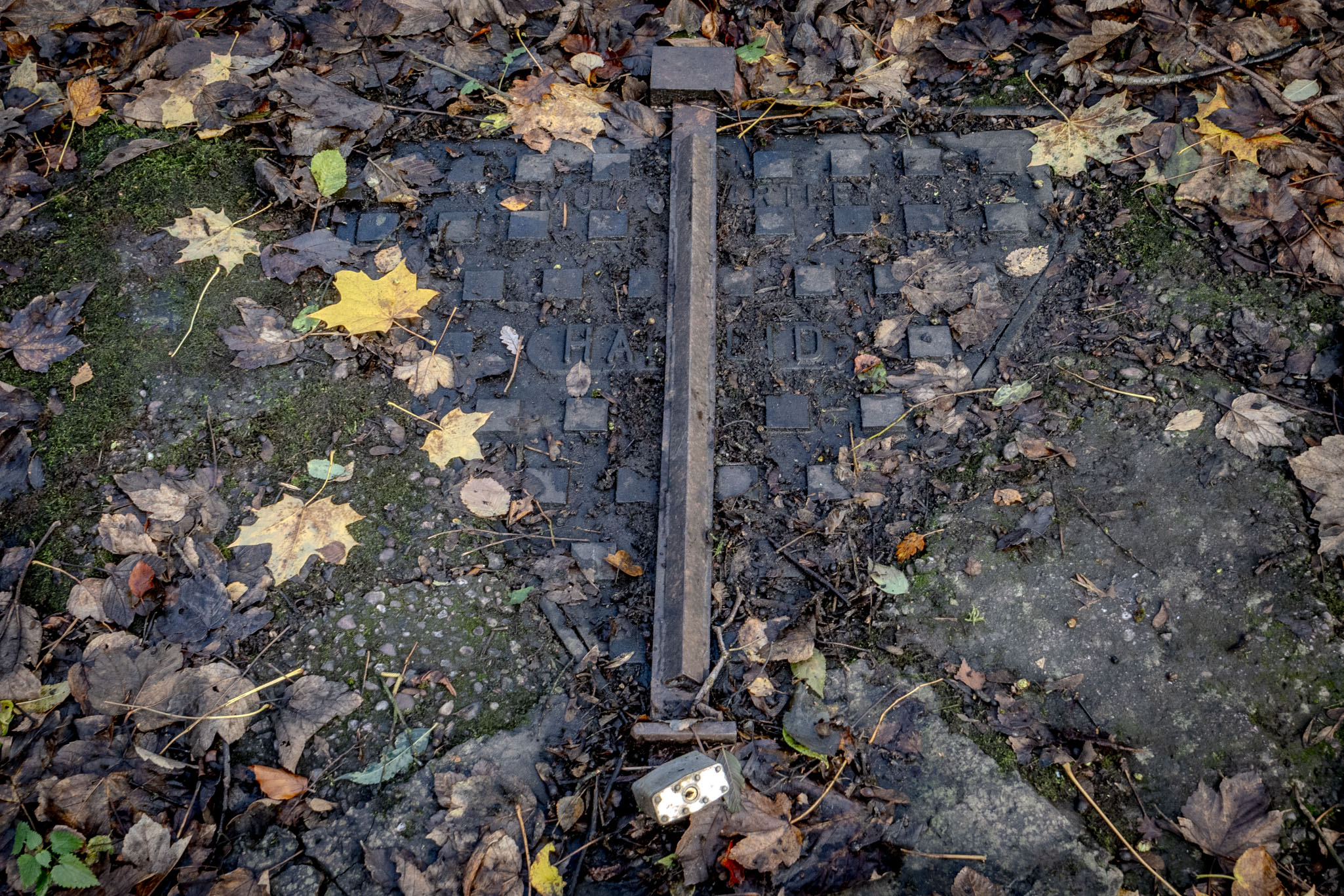
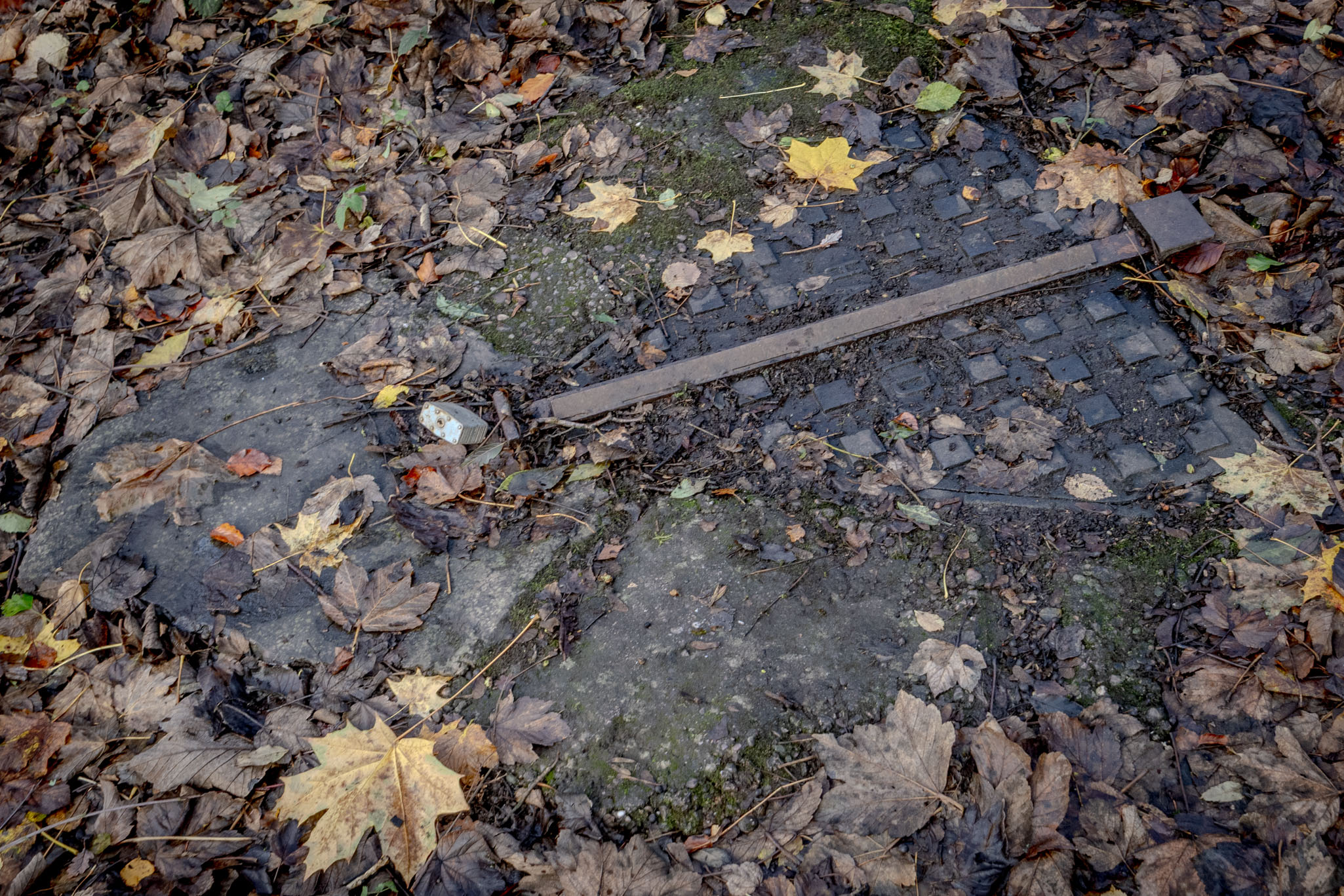
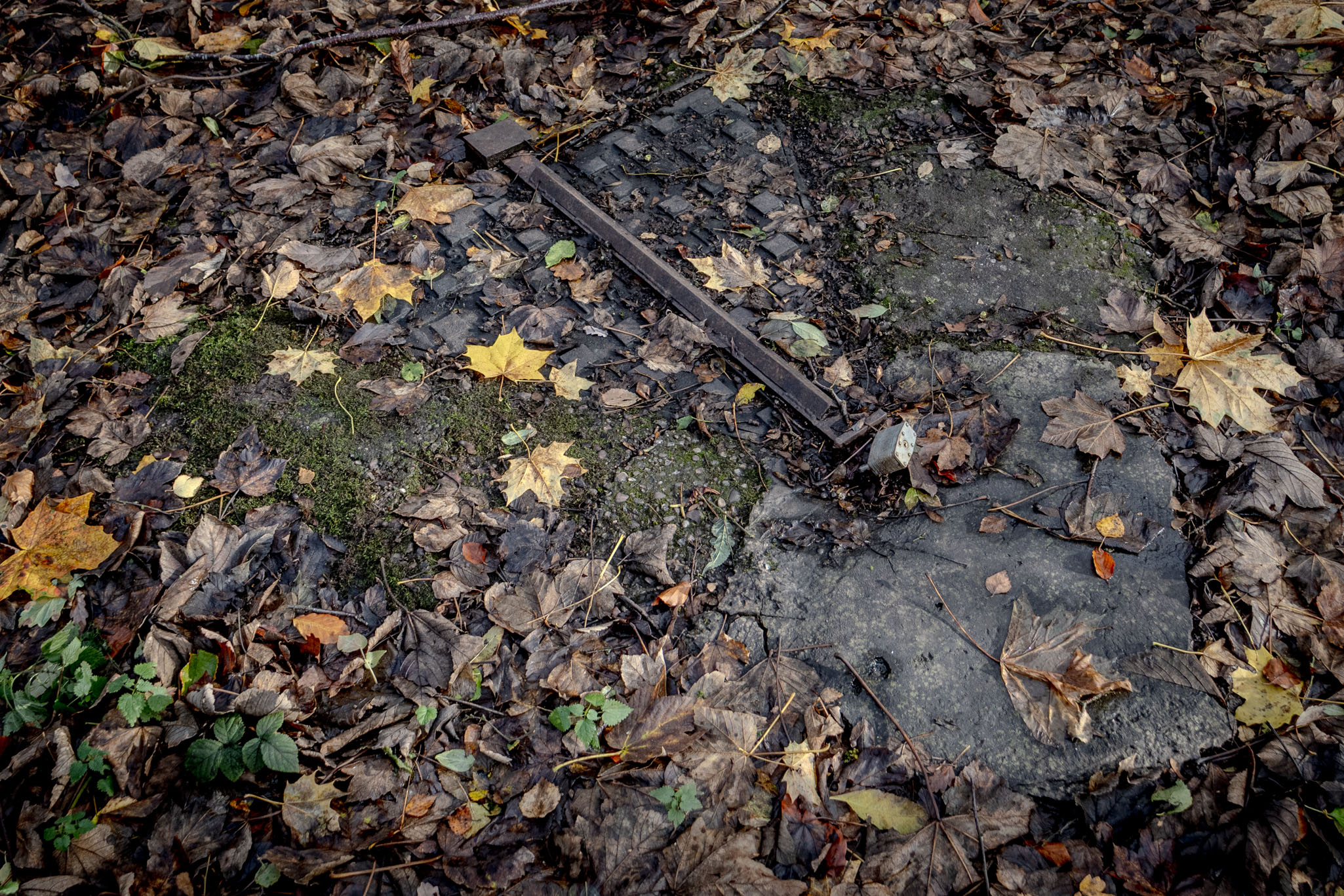
I was only nine years old when the tragic murder of Lesley Whittle shocked the nation, and I grew up just a 15-minute drive from Bathpool Park. Today, exactly 50 years later, I finally made my first visit to this quiet Staffordshire woodland, drawn not only to photograph the infamous Glory Hole drainage shaft but also to pay my respects at the site where her young life was stolen.
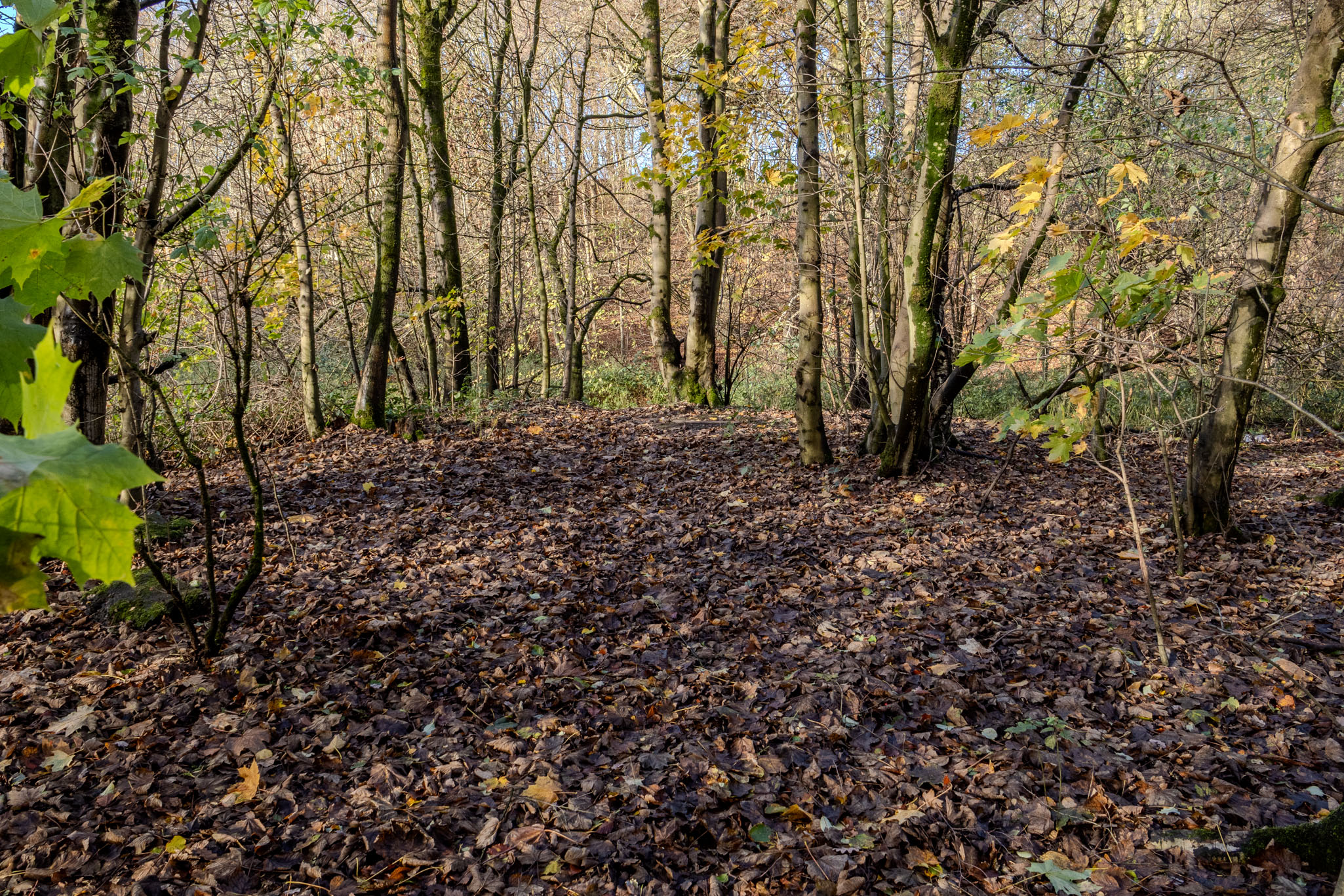
As I walked the park’s leaf-strewn paths, the crisp winter air carried the scent of damp earth and decaying leaves, and the distant murmur of the river threaded through the trees. It was a serene landscape, yet one that hides a chilling secret. The shaft, now padlocked and inaccessible, remains a stark reminder of that cold winter half a century ago. This was not a visit for thrill-seekers; it was a pilgrimage to a place where history turned cruel and tragic.
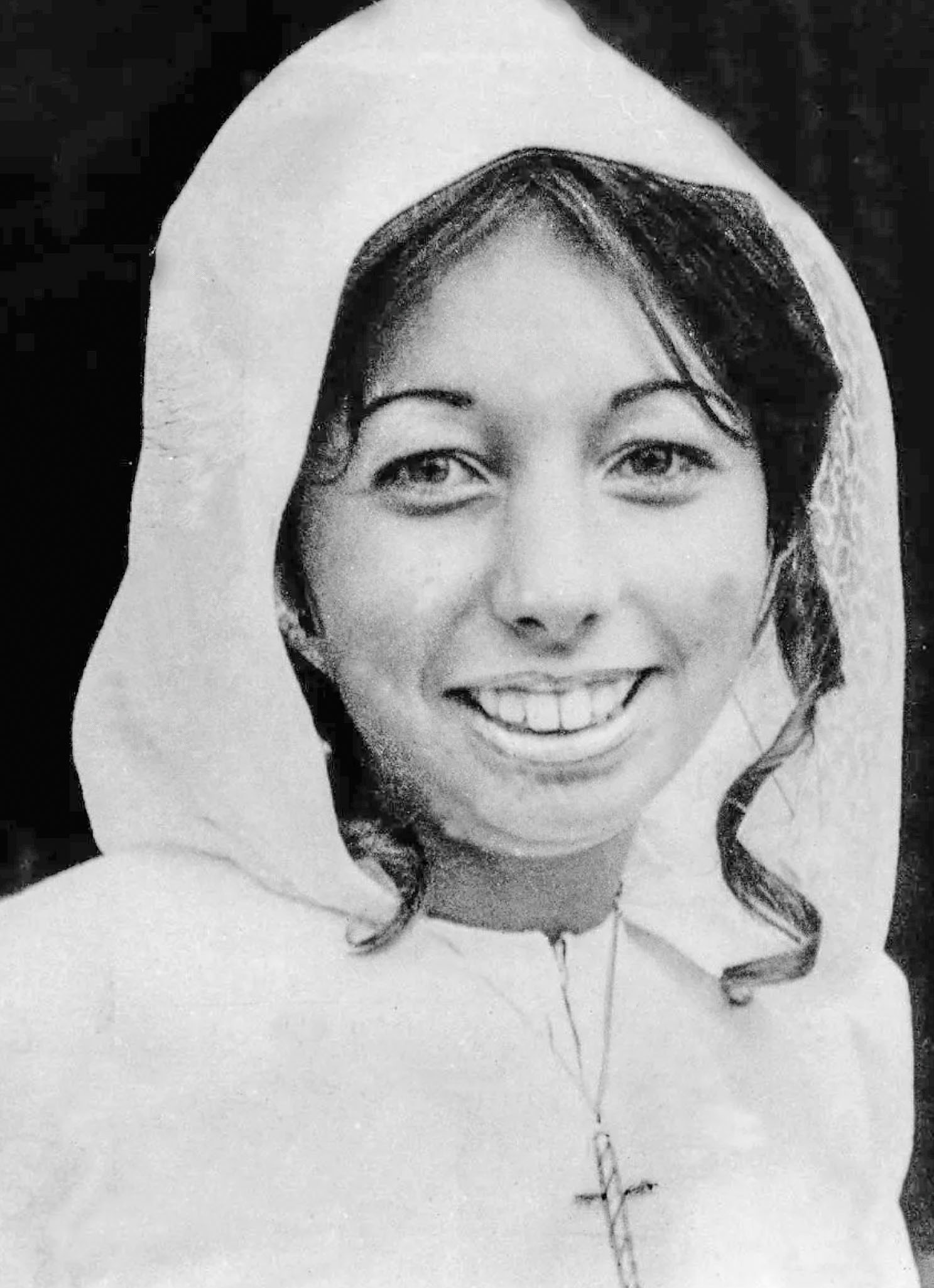
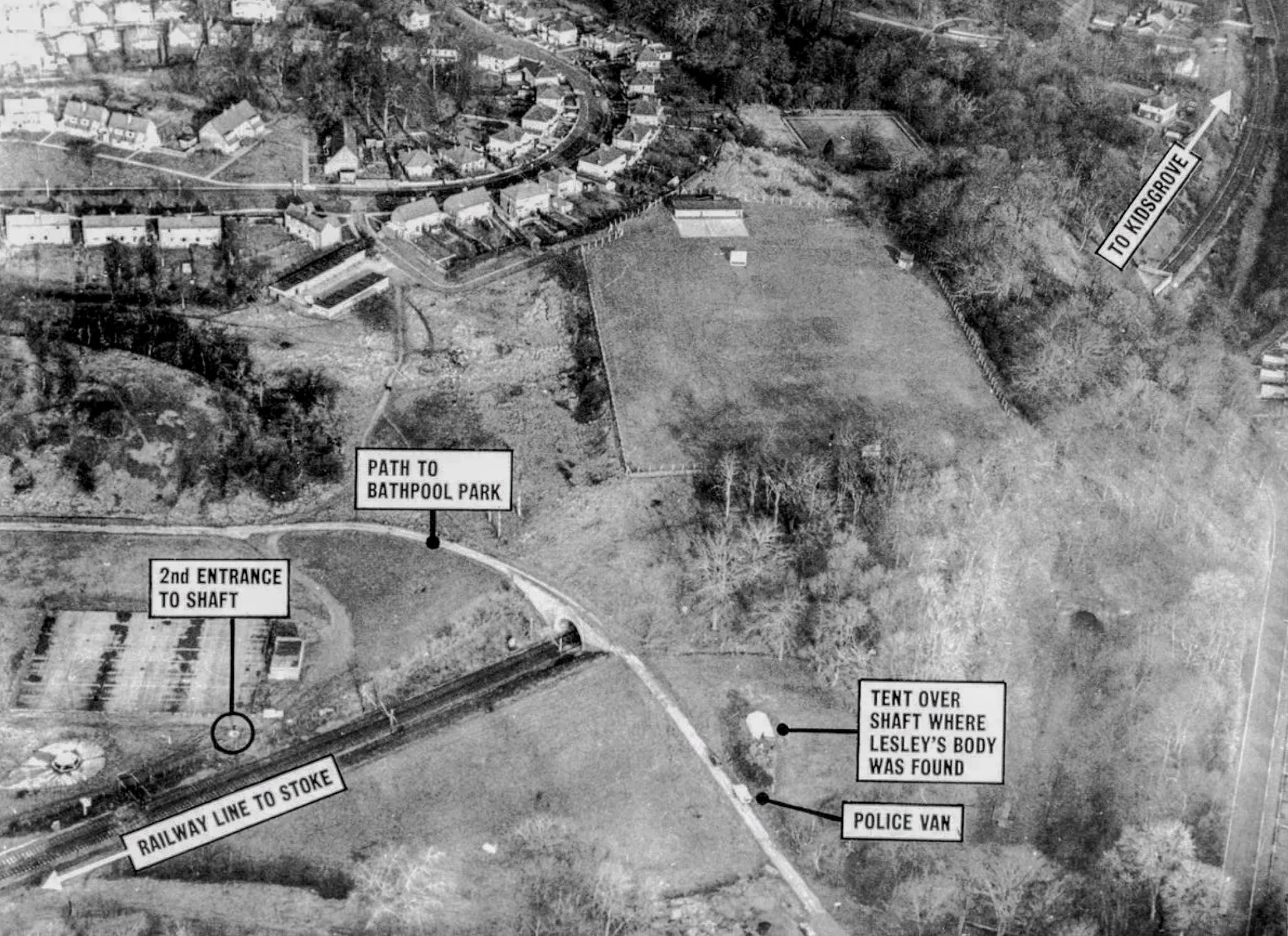
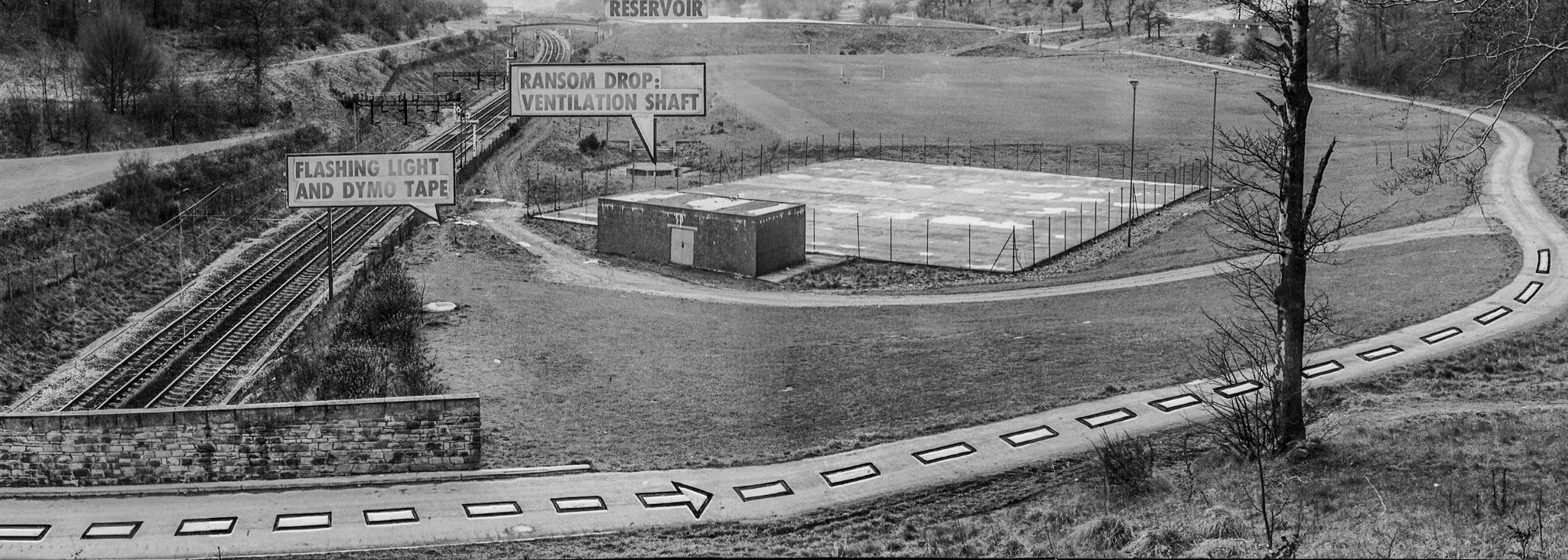
Bathpool Park, with its trails, river, and stone structures, might seem idyllic to the casual visitor, yet it is forever infamous as the site of Lesley Whittle’s abduction and murder. In January 1975, Lesley vanished from her home in Highley, Shropshire. The country awoke to a calculated kidnapping. A ransom note demanding £50,000 arrived with unnerving precision, including detailed instructions for where and how the money was to be left in Bathpool Park. The plan called for the money to be placed inside a disused park structure, partially hidden beneath overgrowth—a location chosen so Neilson could retrieve it without being seen. This was no crime of impulse; it was the work of someone methodical and merciless.
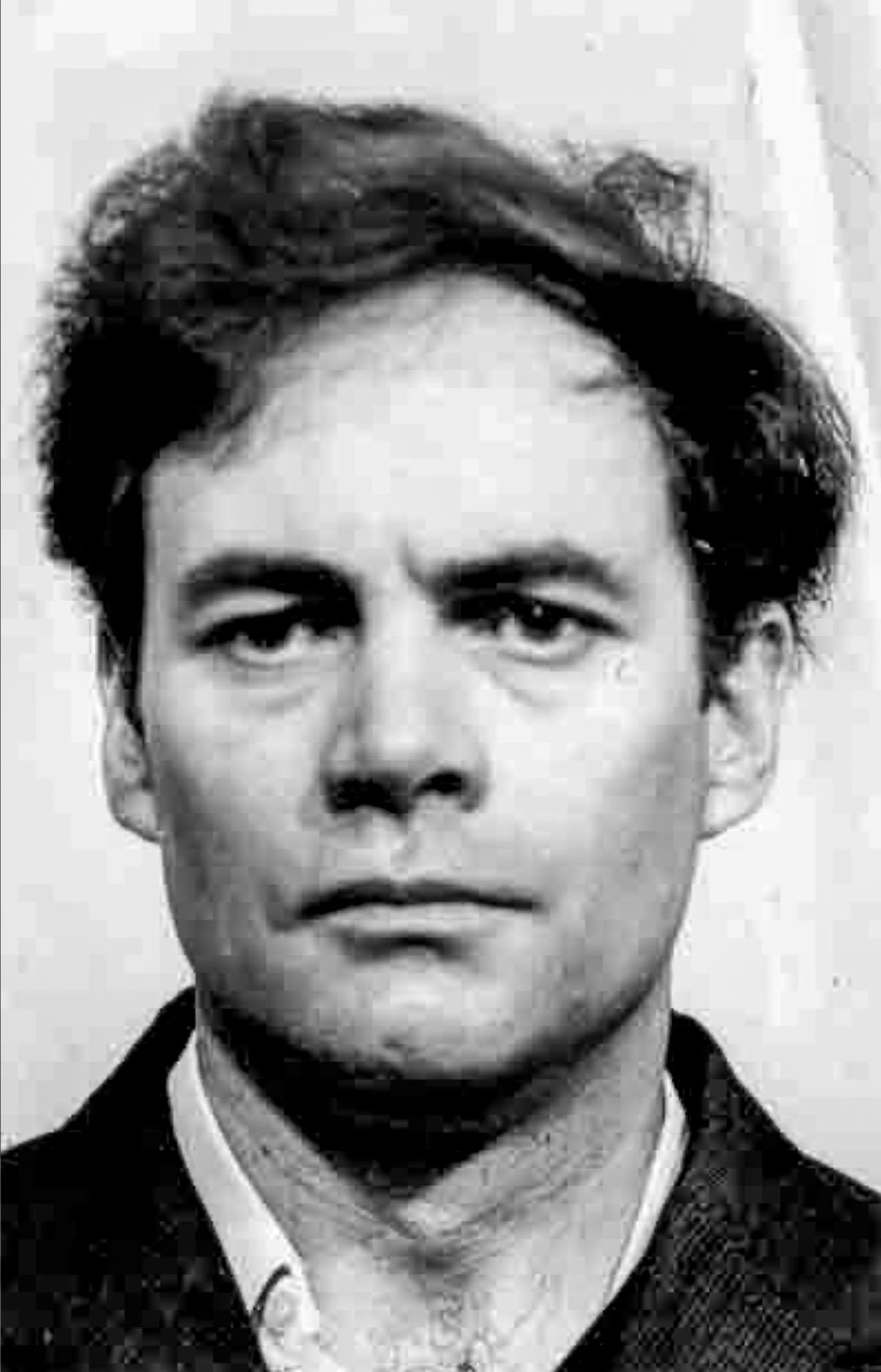
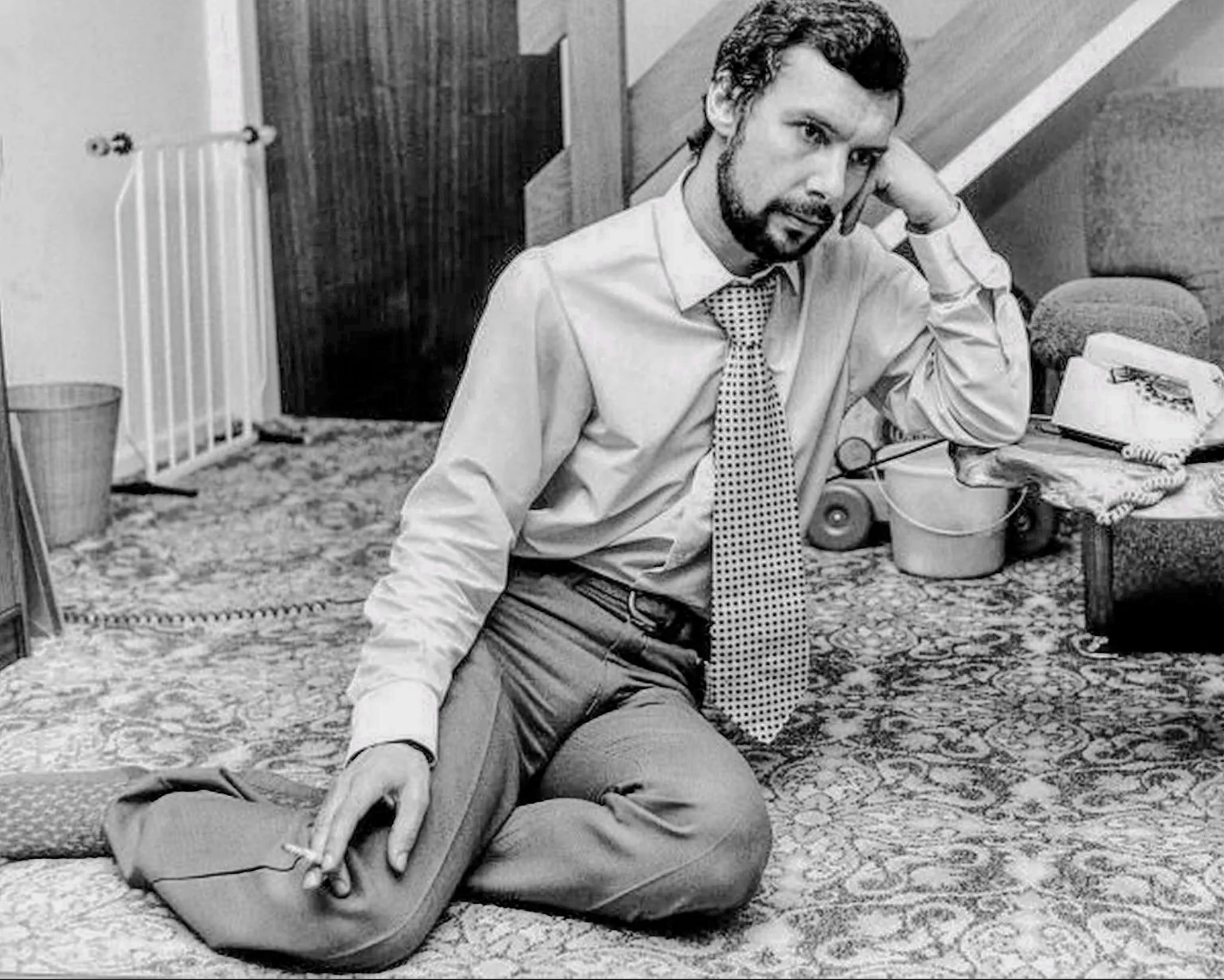
The perpetrator was Donald Neilson, later dubbed the “Black Panther” by the press. Already notorious for armed robberies and the murders of sub-postmasters across the Midlands, Neilson escalated to a crime that would shock the nation personally and deeply.
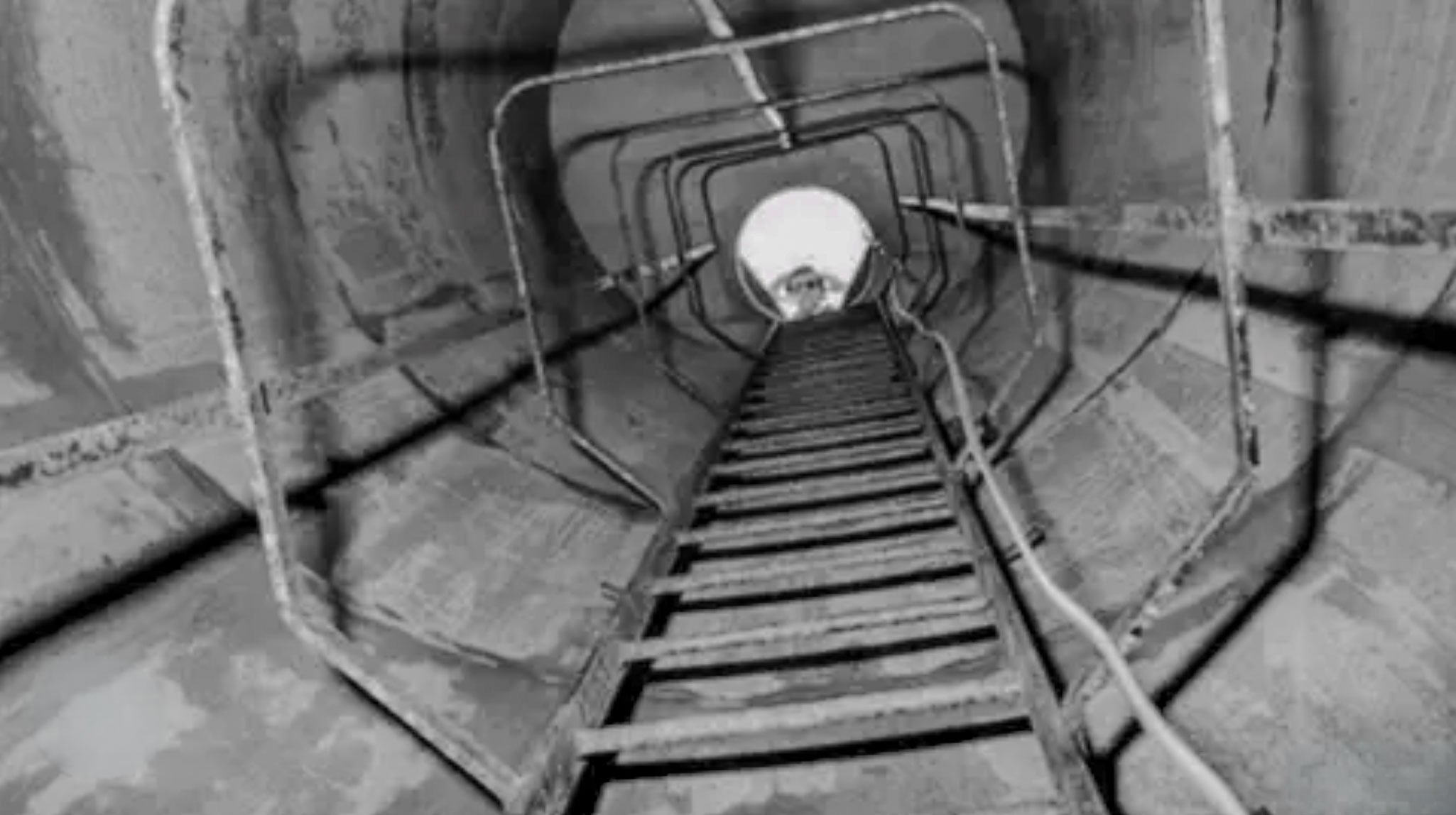
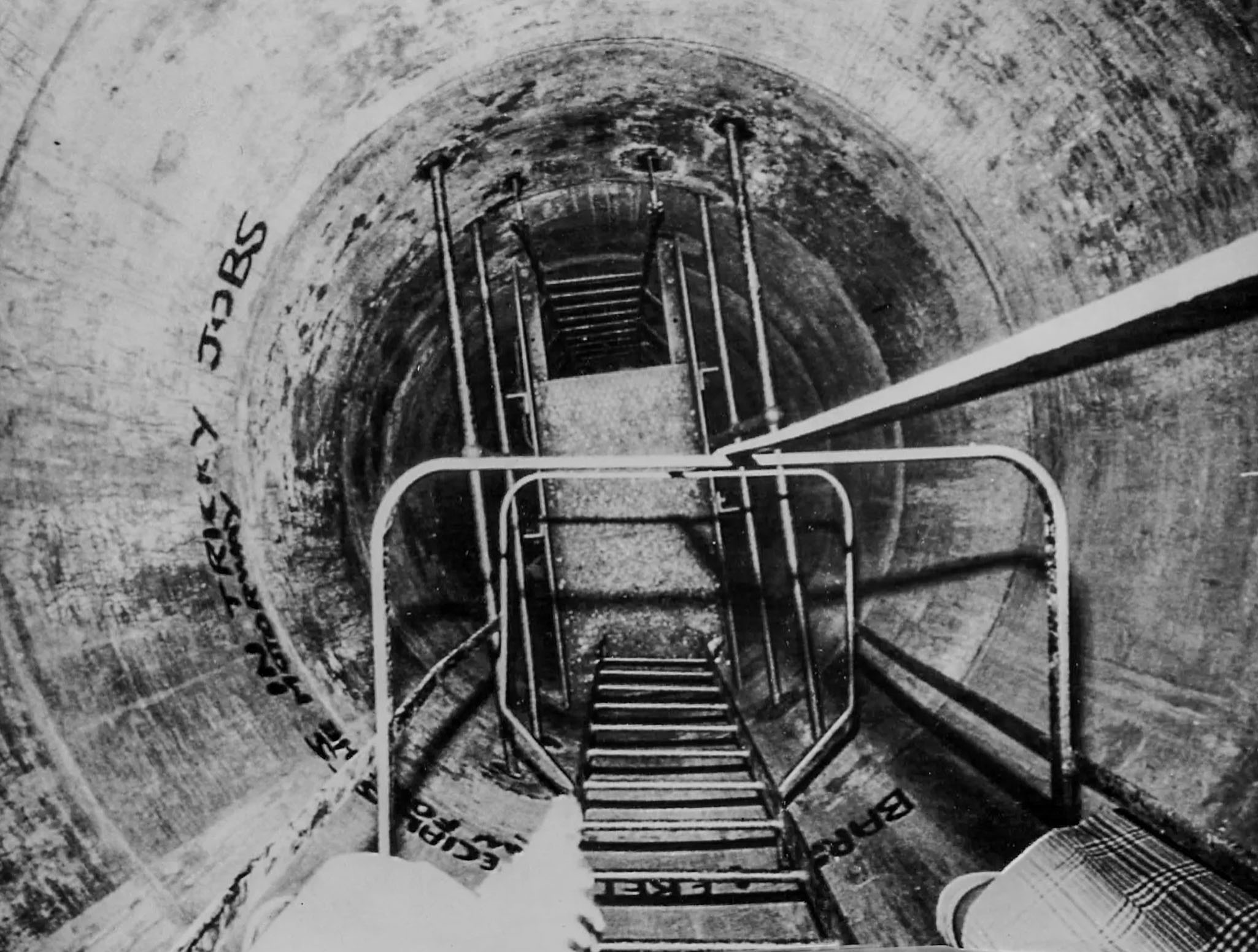
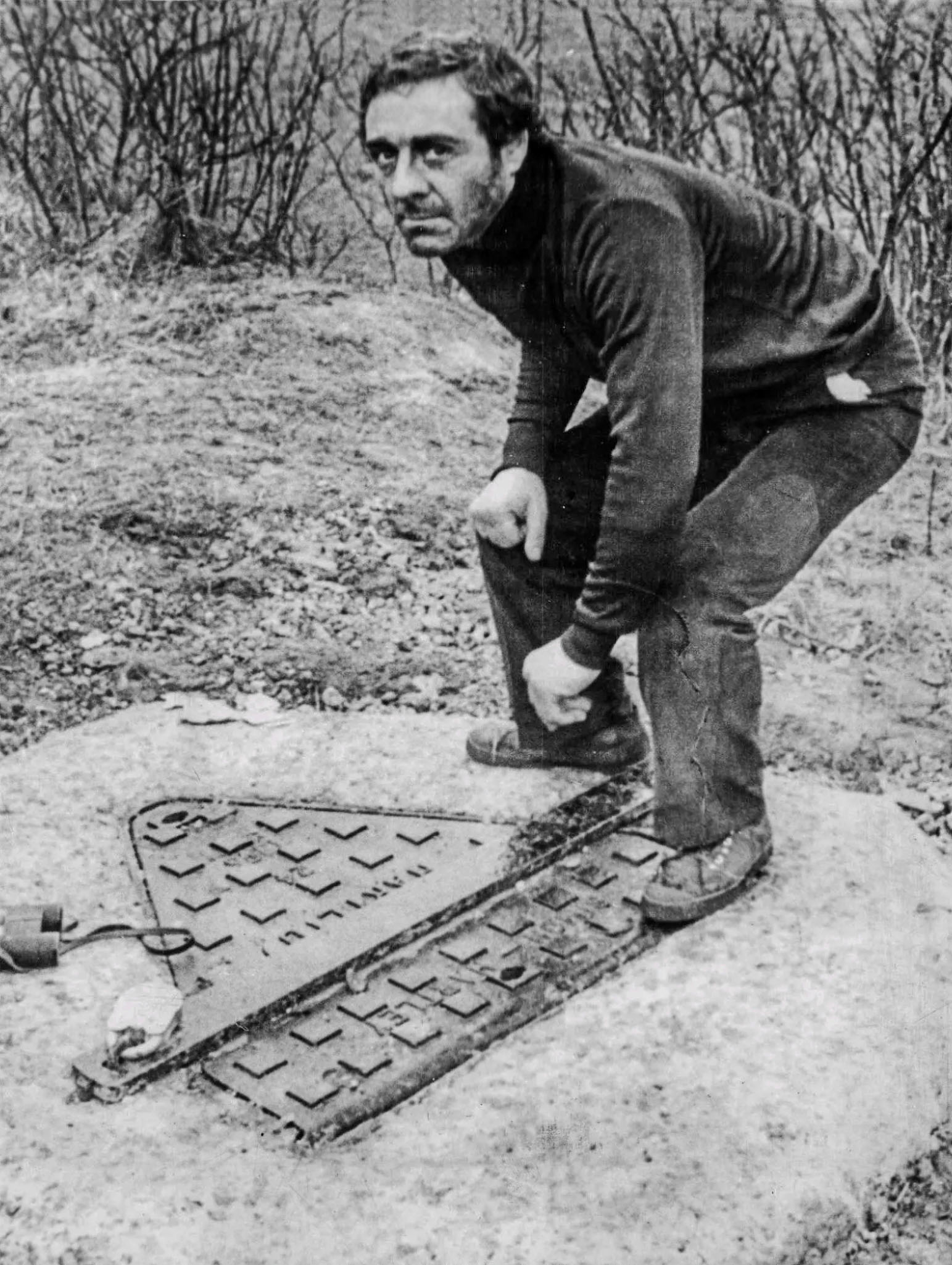
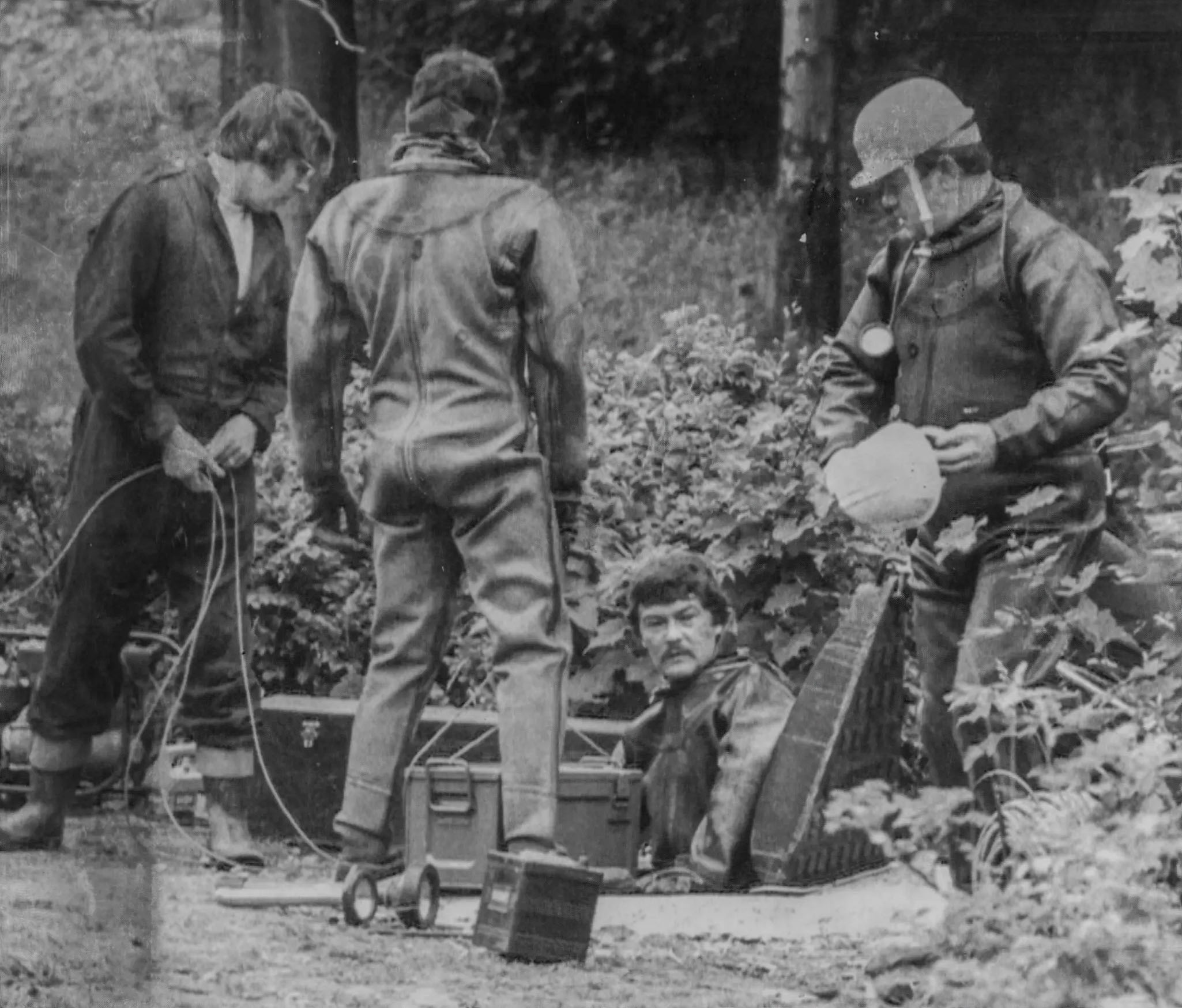
Following the convoluted ransom instructions, police and family were unknowingly drawn to Bathpool Park. By day, a peaceful woodland; by night, the site of a meticulously planned nightmare. Hidden among the undergrowth was the vertical drainage shaft, lined with cold bricks and reinforced with iron supports. A rusted metal platform offered the only foothold above a deadly drop.
Standing at the edge of the padlocked shaft, a cold shiver ran down my spine. Though I could not peer inside, the dark void seemed impossibly deep, and the damp, earthy air rising from its unseen depths carried a faint metallic tang. It was impossible not to imagine the terror Lesley must have felt, suspended in near-darkness, utterly helpless and exposed.
Evidence recovered later—a sleeping bag, a small radio, a blanket, and minimal food—revealed how her captor had provided just enough to prolong her suffering. Lesley had been suspended by a thin wire loop around her neck, fastened to a horizontal bar near the top of the shaft. Her hands were bound behind her back, leaving her powerless to relieve the pressure of the noose. Forensic experts confirmed she died from ligature strangulation, the wire cutting off blood and air in a deadly combination. The placement of the restraints meant that any slip could be fatal—a cruelly precise trap, the result of careful calculation.
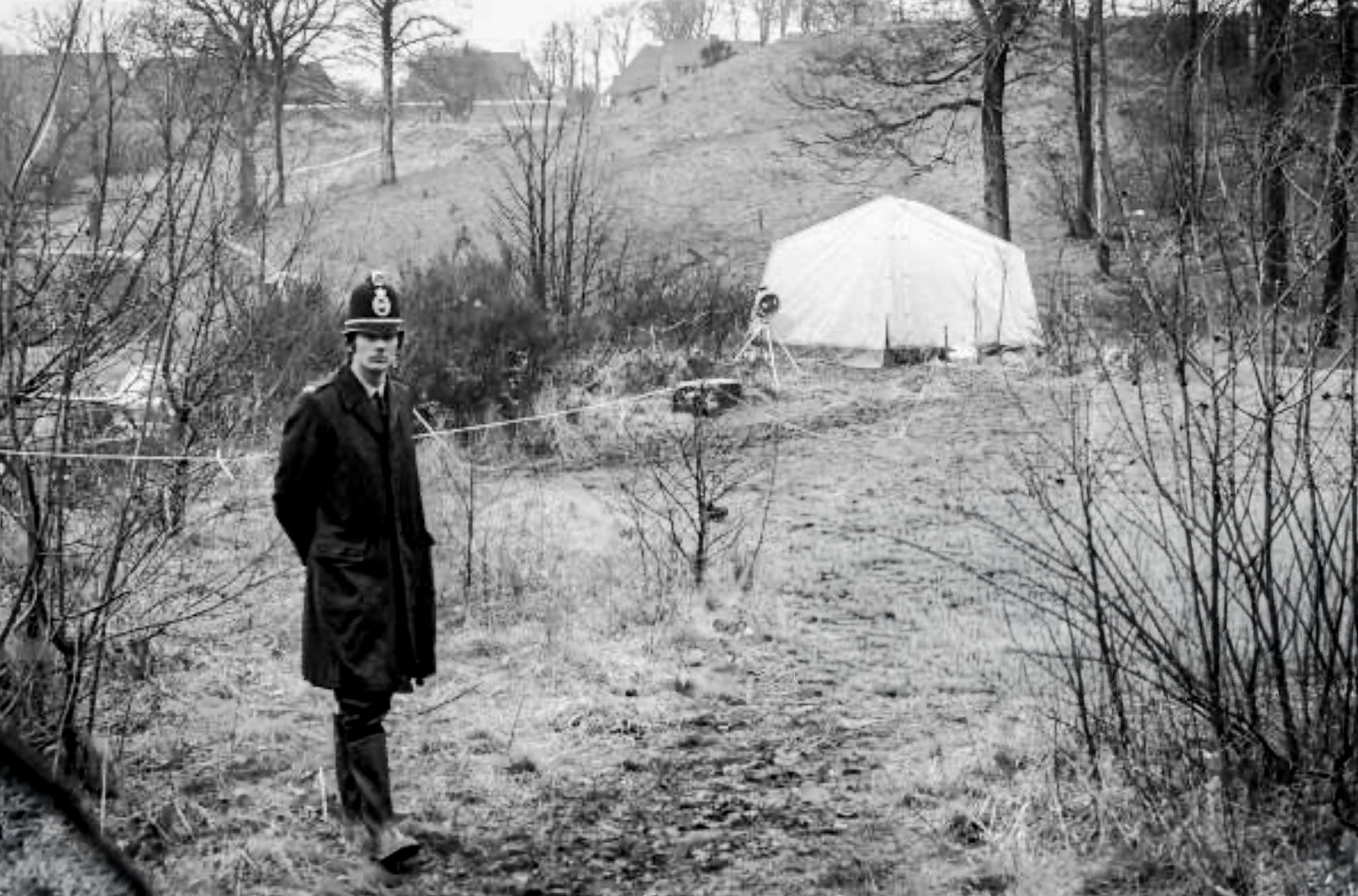
On the night of 7 March 1975, officers discovered her body at the bottom of the shaft. The scene—the small, fragile figure suspended in cold, shadowed darkness—stunned all who witnessed it. Even today, standing above the padlocked shaft, it’s hard to fathom the claustrophobic terror Lesley endured.
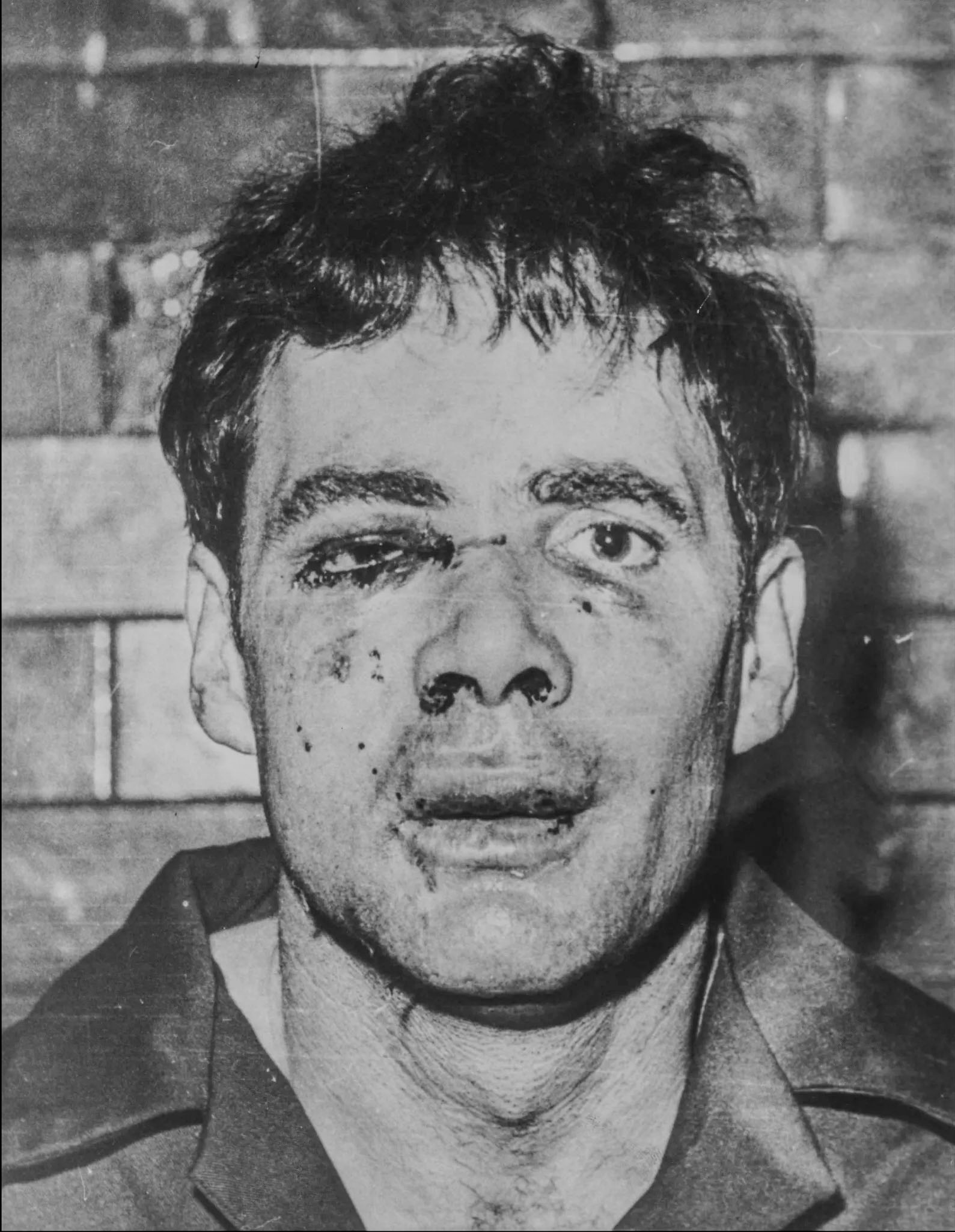
The nation’s attention turned to Donald Neilson, captured in December 1975 at 39 years old, during a police stakeout in Mansfield Woodhouse, Nottinghamshire. A tense struggle ensued, but he was arrested without credible reports of police brutality. Evidence—from previous burglaries, handwriting analysis, and forensic connections—confirmed his guilt.
Neilson’s 1976 trial led to convictions for Lesley’s murder, the killings of three sub-postmasters, and numerous robberies. He was sentenced to life imprisonment with a whole-life tariff, ensuring he would never be released. Throughout his imprisonment, he showed no remorse for his crimes, remaining largely isolated until his death on 18 December 2011 in HMP Norwich, aged 75.
Bathpool Park remains—a silent witness to history’s darker corners. Walking its trails today, the rustle of leaves, the cold winter air, and the muted light filtering through trees whisper reminders of the life stolen exactly 50 years ago. Standing at the edge of the grassy paths, peering toward the inaccessible shaft, feeling the chill of the air, or imagining the concealed spot where Neilson instructed the ransom to be left, you can almost sense the shadows of 1975, the calculated terror, and the tragedy that forever scarred a nation.
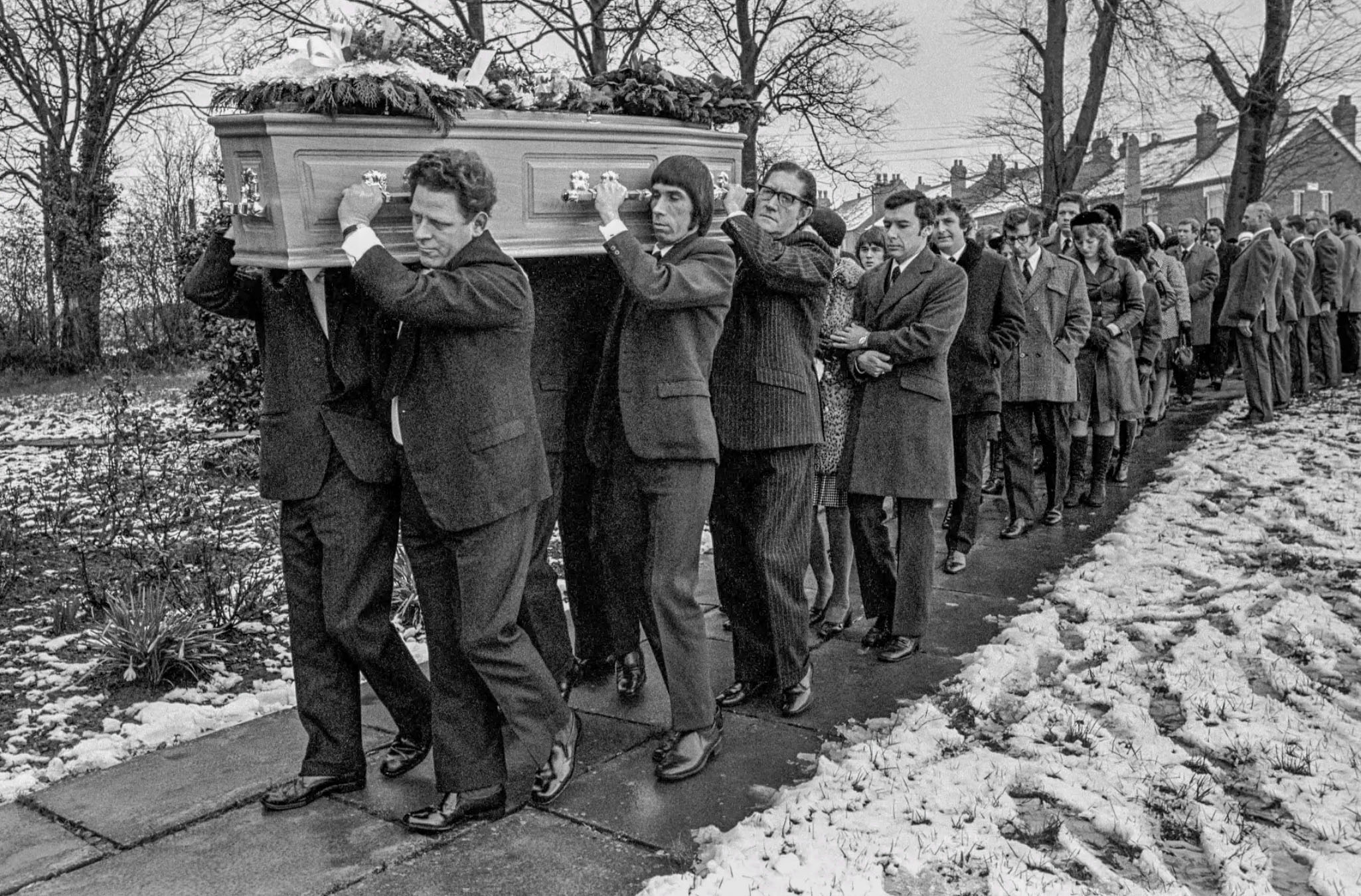
For those drawn to dark tourism, Bathpool Park is both beautiful and haunting—a site where the ordinary meets the unspeakable, and the past presses heavily against the present. This visit was not only to witness history, but to pay my respects to a life stolen too soon and a story that still resonates half a century later.
The police investigation into Donald Neilson
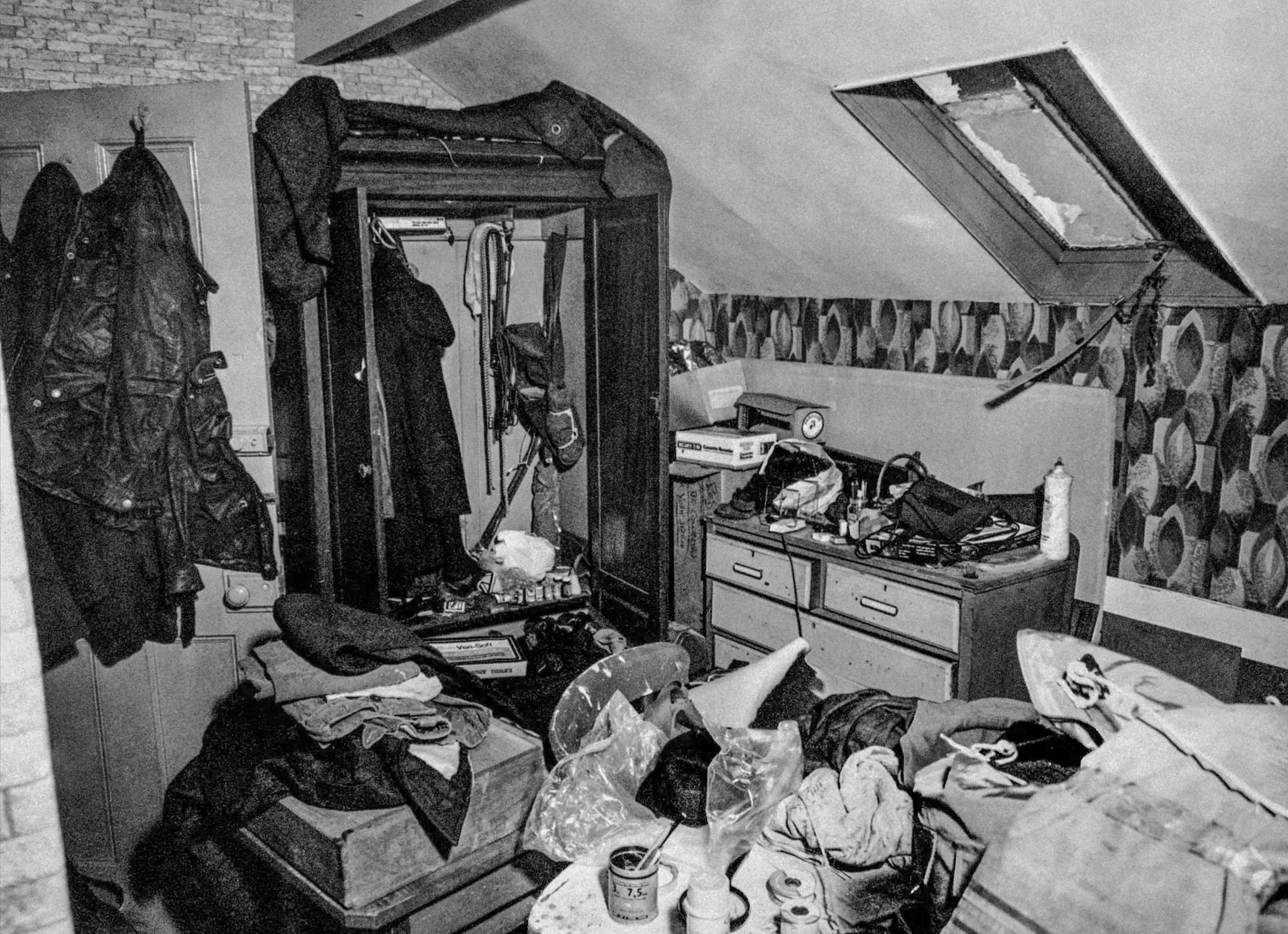
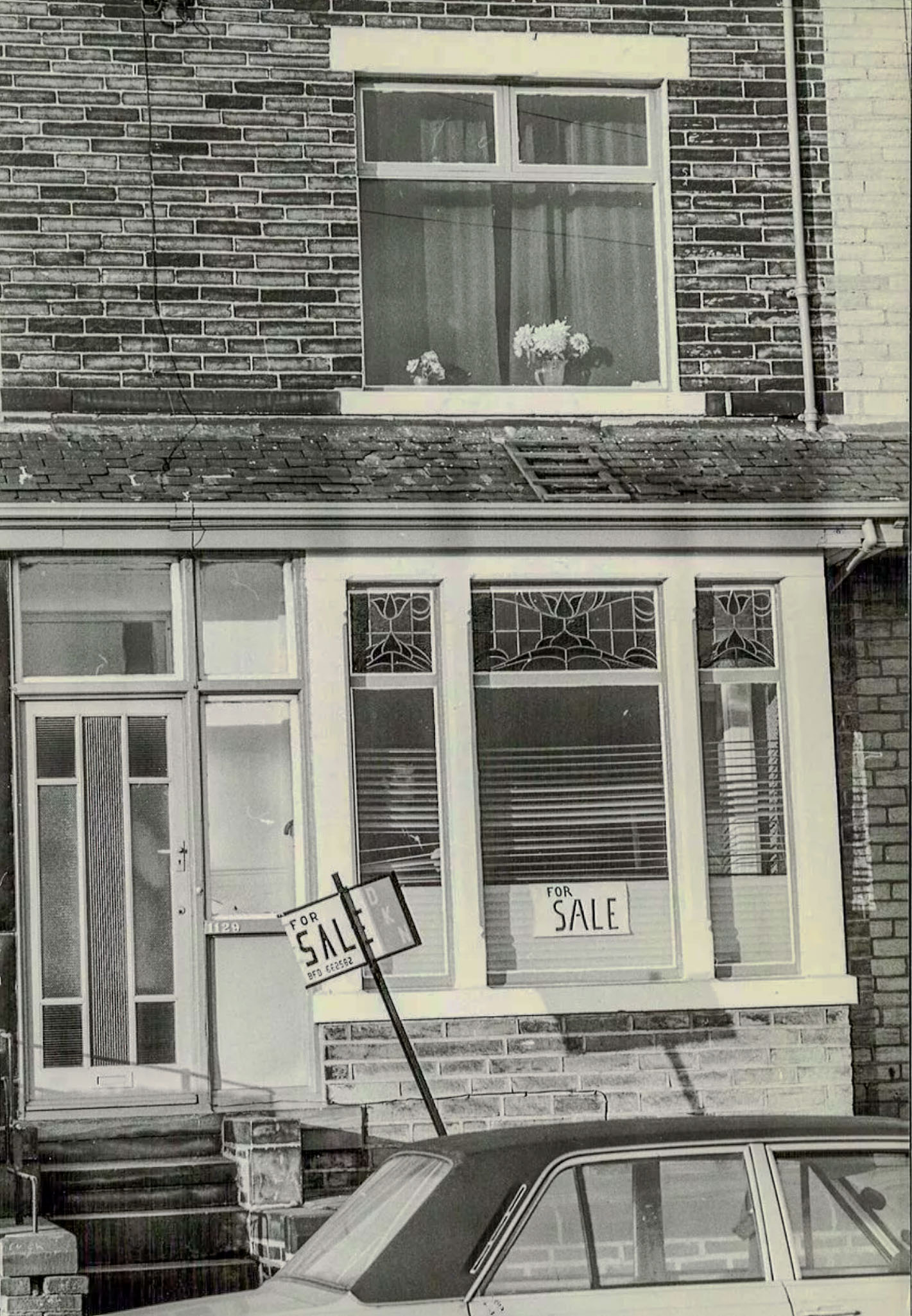
The investigation into Donald Neilson began long before police knew his name. In the late 1960s and early 1970s, a pattern of highly organised burglaries swept through the Midlands and Yorkshire. Officers noticed that these break-ins showed a level of planning far beyond typical household crime: access points were carefully selected, alarms neutralised, and the offender often left no fingerprints. As more burglaries occurred, detectives realised they were dealing with a single, methodical offender who carried military-style equipment and moved with precision. This unknown burglar eventually became known internally as “The Phantom” or the “Midlands Housebreaker,” and early inquiries focused on narrowing down suspects with military training or firearms experience.
The investigation shifted dramatically when a series of sub-postmasters were shot and killed during armed robberies. The offender’s tactics bore the same hallmark organisation seen in the earlier break-ins, suggesting that the meticulous housebreaker had escalated to violent crime. Police forces across several counties began pooling information, comparing ballistic reports, travel routes, and witness descriptions. They recognised the same weapon was being used across multiple attacks, strengthening the connection between the crimes. Joint inquiries were launched, though progress was often hindered by the offender’s ability to strike quickly, move across regions, and avoid leaving meaningful evidence behind.
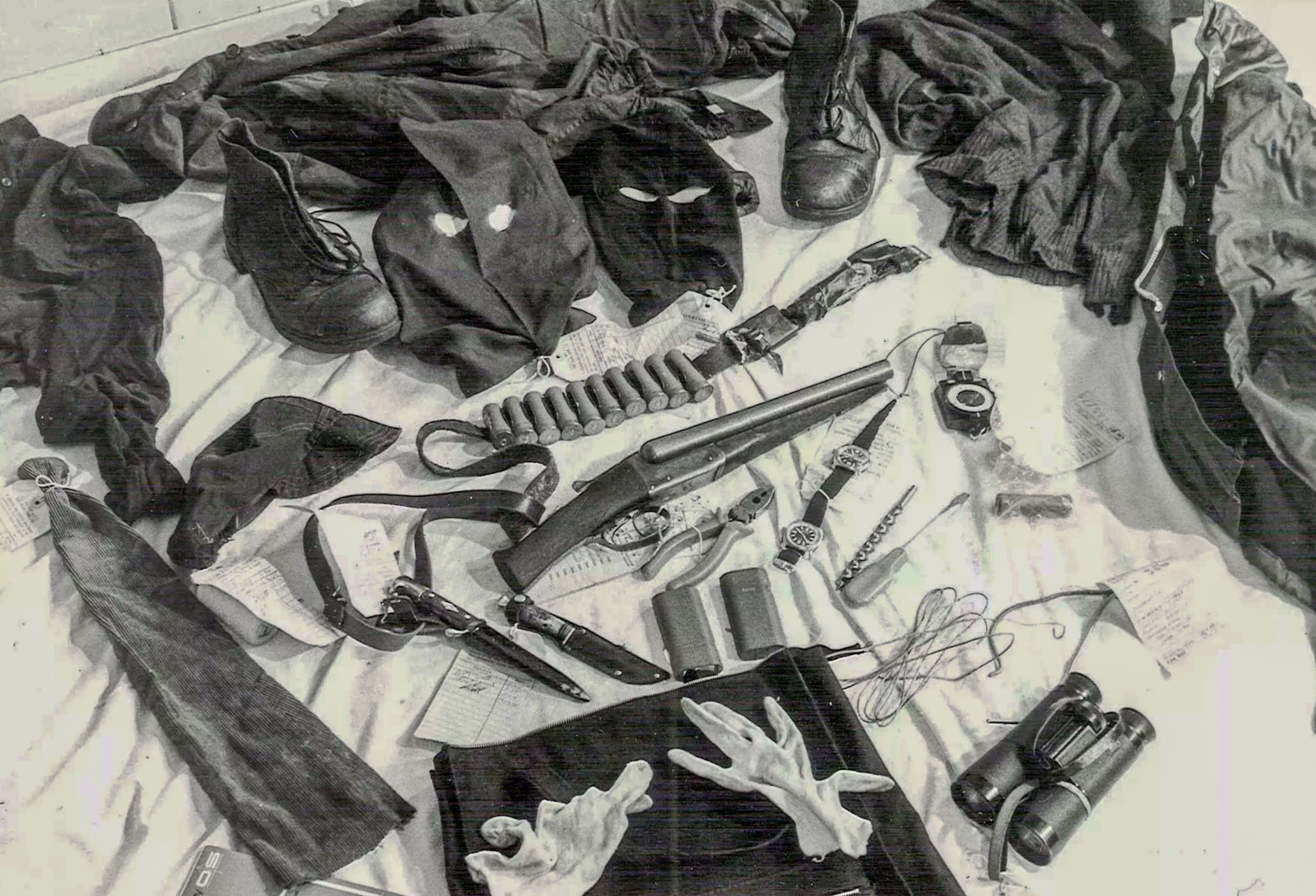
By 1974, detectives had a clearer profile: a mobile, disciplined offender who operated alone, cased locations in advance, and used a distinctive sawn-off shotgun. The investigation broadened into one of the UK’s most extensive manhunts of the decade. Officers conducted surveillance on post offices, reviewed thousands of burglary reports, and interviewed anyone who owned or had access to military-style equipment. Despite these efforts, the offender—who was now suspected to be responsible for multiple murders—remained unidentified. The lack of modern forensic technology meant that much of the work depended on witness reports, pattern analysis, and painstaking cross-referencing of incidents across police boundaries.
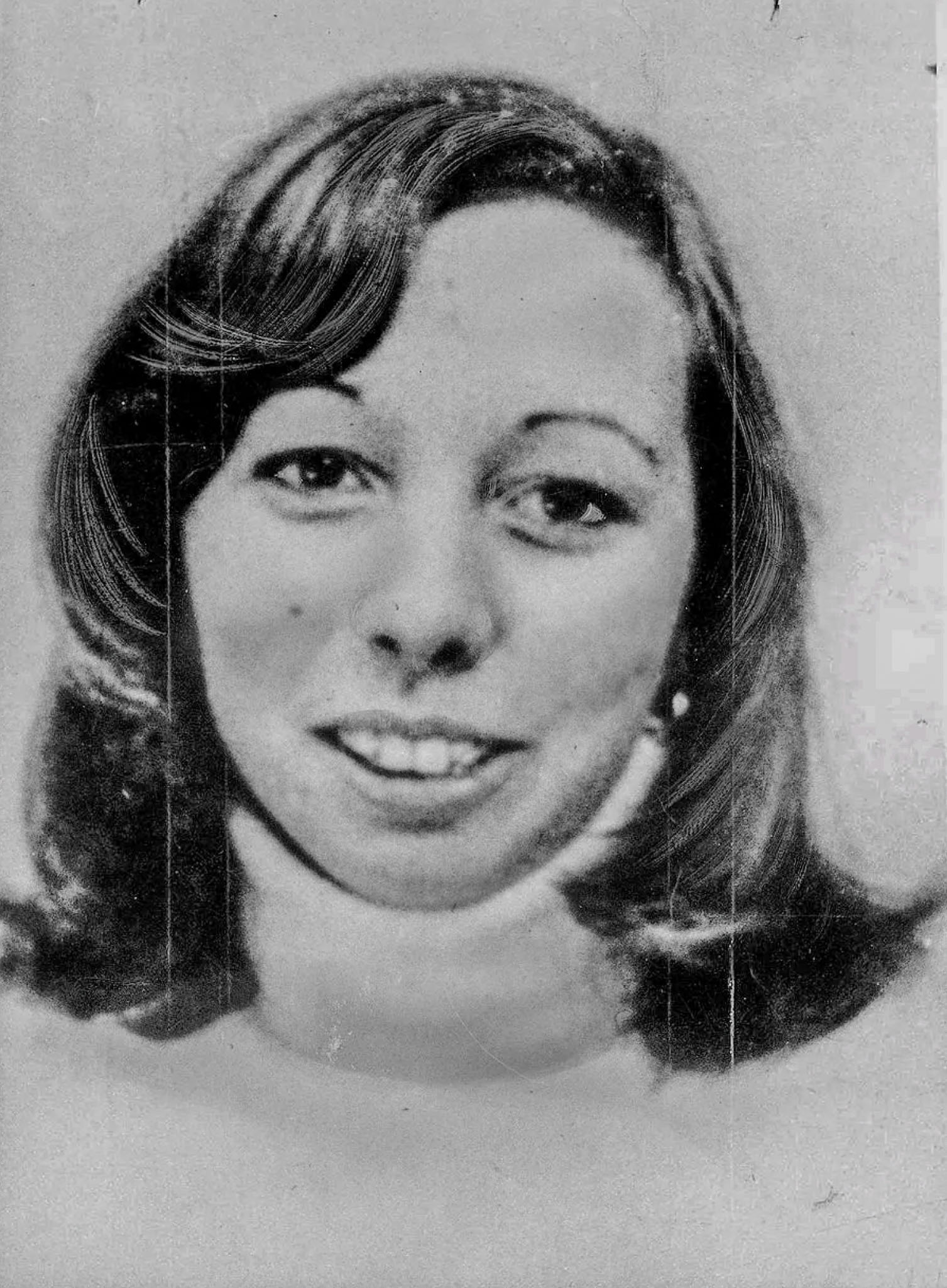
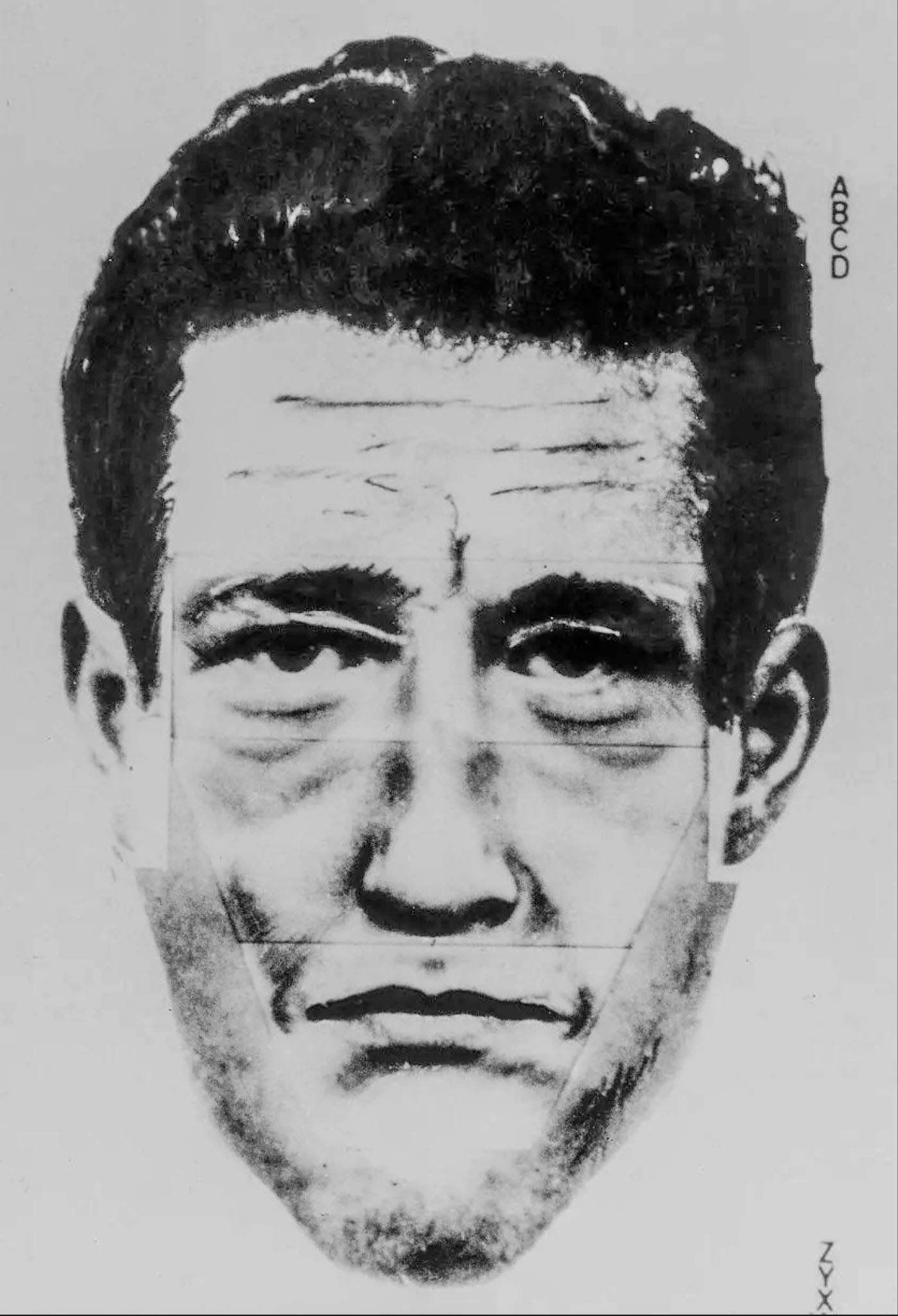
The investigation intensified when 17-year-old Lesley Whittle was abducted in January 1975. Her kidnapping introduced a new dimension to the inquiry as detectives analysed ransom notes, attempted phone trace operations, and reconstructed the offender’s movements. The precision of the abduction and the calculated ransom process strongly suggested the same individual behind the earlier crimes. Police forces nationwide collaborated under one coordinated command structure to manage surveillance operations, analyse ransom communications, and pursue reported sightings. Despite a massive effort involving hundreds of officers, the kidnapper remained elusive, and frustrations grew as promising leads repeatedly collapsed.
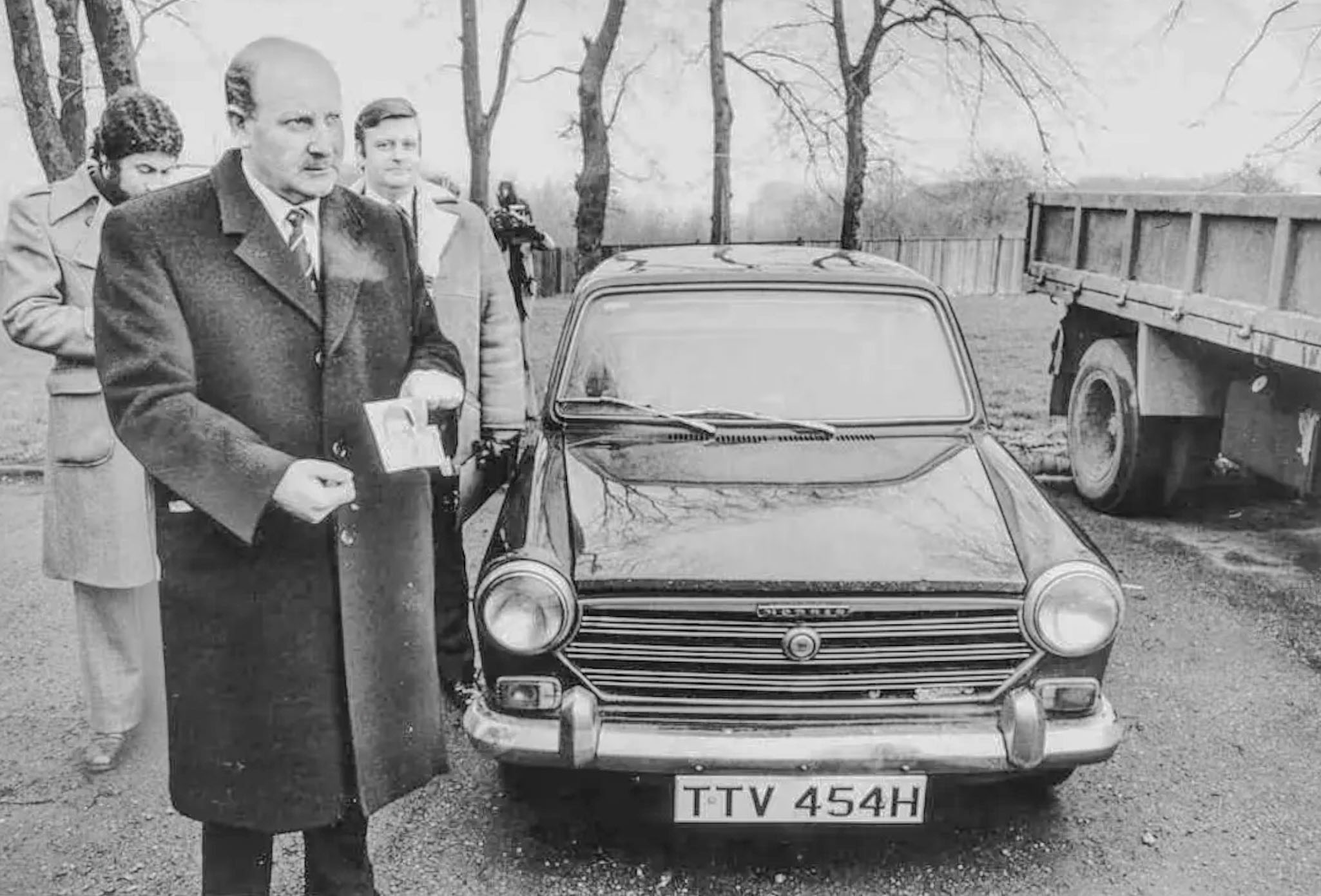
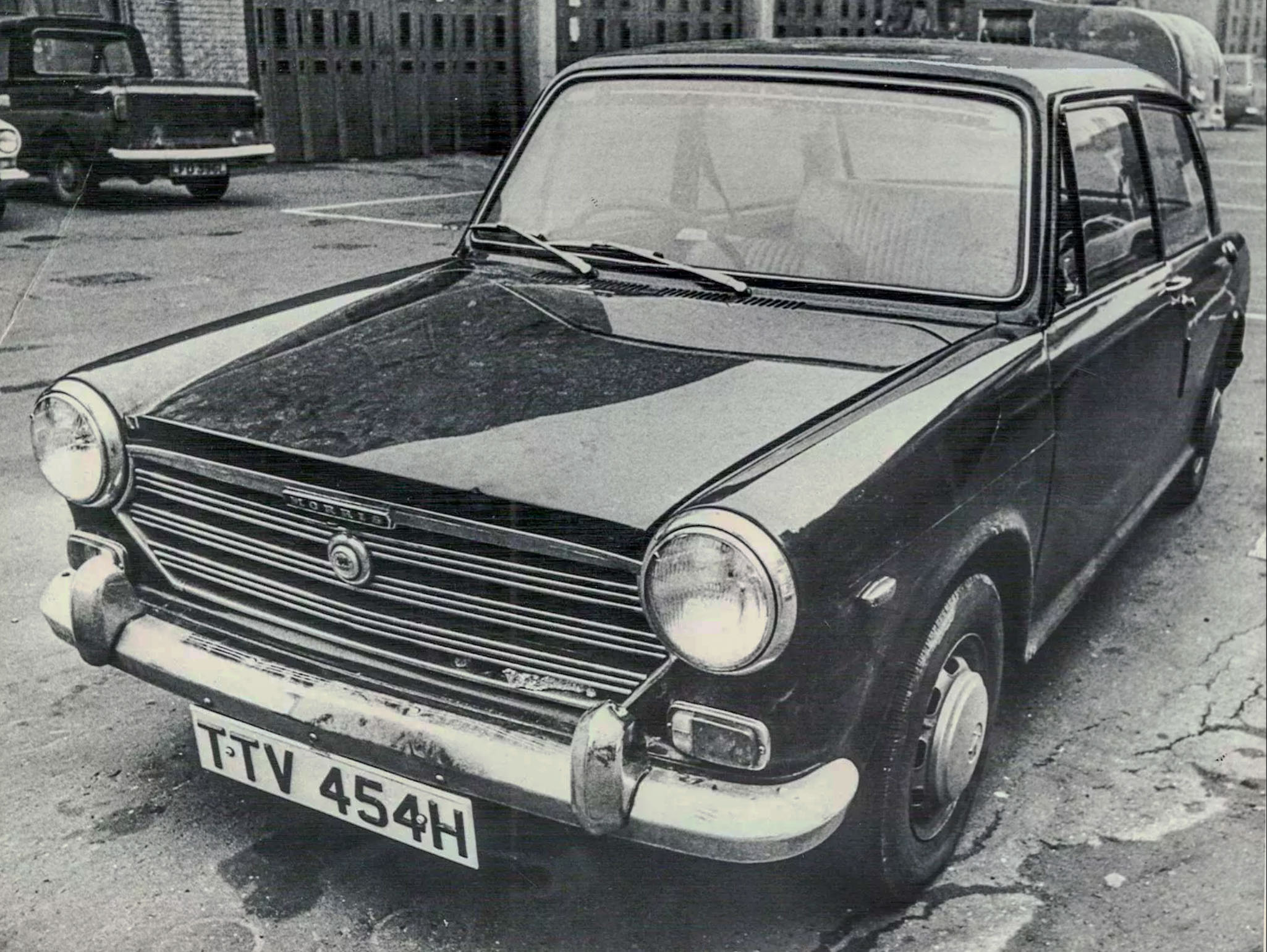
A major break came later in 1975 when patrol officers in Mansfield noticed a suspicious man behaving oddly in a side street. When challenged, the man attempted to flee and produced a firearm, leading to a struggle in which he was disarmed and arrested. His equipment, behaviour, and physical appearance matched descriptions circulated in connection with the robberies and the Whittle case. Once in custody, detectives quickly linked him to a vehicle, tools, and documents that aligned with evidence gathered throughout the multi-year investigation. Fingerprint and ballistic matches soon confirmed that they had finally captured the man behind the long series of burglaries, robberies, shootings, and the kidnapping.
The suspect was identified as Donald Neilson, a former soldier whose methods mirrored the military precision noted by officers for years. With the evidence now firmly connecting him to the Whittle abduction and the earlier murders, investigators reconstructed his movements, compared testimonies, and secured confessions and forensic links that had previously been out of reach. His trial brought the investigation to its conclusion, with multiple convictions including murder, kidnapping, and armed robbery. Neilson was sentenced to life imprisonment, and the years-long inquiry—one of the most complex in British policing at the time—formally closed, bringing an end to the criminal career of the man once known only as “The Black Panther.”
Useful Information:
- 🌎 Location: Bathpool Country Park, Kidsgrove, Staffordshire, UK
- ℹ️ Details: location where kidnapped heiress Lesley Whittle (age 17) was discovered.
- 🏡 Nearby landmark: Kidsgrove
- ⏰ Opening hours: Open 24 hours (The park is a public green space)
- 🅿️ Parking: On-site public park parking is generally available.
- 📍 Satnav: North Car Park, Stoke-on-Trent ST6 4QP
- 🧭 Coordinates: 53.0784613104126, -2.2399271499962365
- 💬 Access tip: The location of the shaft is sealed and unmarked for both safety and respect.
- 🌐 Official link: Woodland Trust – Bathpool Country Park