My Current Camera Kit And Photography Philosophy
Over the 40 or so years I’ve been photographing, I’ve used just about every system imaginable—compact cameras, SLRs, DSLRs, full-frame, crop sensors, micro four thirds, and even 1” sensors. Each system has its strengths and quirks, and through years of experimentation, one lesson has become crystal clear: carry only what you’re comfortable with.
It doesn’t matter how much a camera costs, how many megapixels it has, or how impressive the latest features look online. Unless you’re pixel-peeping, the image quality from almost any modern format is more than sufficient for social media, websites, large prints, or even posters. To put it in perspective, most billboard images up until a few years ago were shot at around 5 or 6 megapixels. So, don’t get caught up in hype or marketing that pushes the “next greatest thing.” What truly matters is getting out and shooting.
Photography isn’t about gear—it’s about capturing moments, emotions, and perspectives. Gear should serve your vision, not define it.
Why I Carry Only What I’m Comfortable With
I always have at least one camera with me, and more often than not, I carry two. Despite its technical capabilities, I’ve never enjoyed using an iPhone camera. It produces incredible images, but I don’t enjoy the experience of shooting with it. Therefore, it’s only ever used as a last resort—when nothing else is available, or when convenience outweighs my preferences.
Choosing gear that feels right in your hands is essential. Comfort and familiarity allow you to react instinctively to moments. If a camera is awkward or heavy, you’re more likely to miss a shot or be hesitant to take it out at all.
Ricoh GR – Street & Travel
My favourite camera by a long shot is the Ricoh GR with its 28mm-equivalent fixed lens. It’s light, fits into most coat or trouser pockets, and is an absolute joy to use. The image quality is superb for such a small camera, and the sharpness is impressive.
The Ricoh GR is my go-to for street photography and travel. Its discreet size allows me to photograph people and scenes without being intrusive. I can wander through busy city streets or quiet towns with the camera almost invisible, which often leads to more natural, candid shots. Its simplicity also encourages creativity—I focus on framing, light, and composition rather than toggling through menus.
On trips abroad, the GR is invaluable. I can explore all day without feeling weighed down, and the images it produces rival larger, more complex systems in quality. The GR reminds me that sometimes less is more, and that the best camera is often the one you actually carry.
Olympus OM-1 – General & Specialist Photography
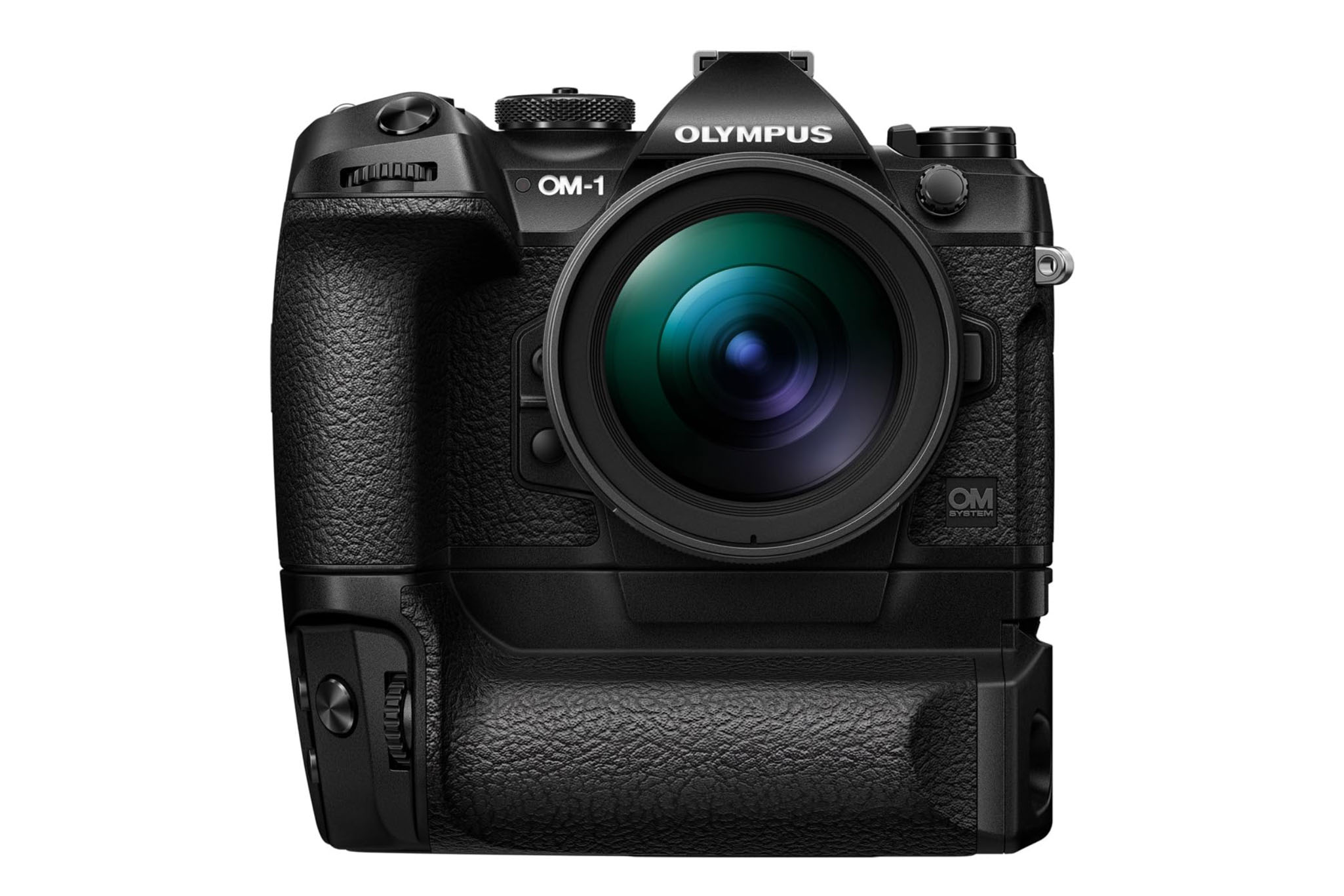
For more specialized projects, I rely on the Olympus OM-1 paired with Leica glass. This setup is versatile and capable, ideal for landscapes, portraits, and more technical shoots. However, it’s not my everyday carry. For daily use, I usually take just two zoom lenses covering a full-frame equivalent of 24–400mm. This, along with a smaller secondary camera, fits neatly into my Domke bag.
The OM-1 with Leica lenses gives me incredible flexibility. I can switch between wide landscapes, mid-range portraits, and long telephoto shots without compromising quality. Despite its capabilities, the system is surprisingly portable thanks to micro four thirds technology. I can walk all day with this bag on my shoulder, allowing me to focus on shooting rather than fatigue or awkward gear.
I’ve also noticed that shooting with the OM-1 encourages me to slow down. Its weight and setup require intention, which improves my composition and storytelling. Sometimes, having a slightly heavier camera is a benefit, because it forces me to consider the shot rather than snapping indiscriminately.
Sony RX100 VII – Concerts & Travel
The Sony RX100 VII is the ultimate “pocket powerhouse.” With a 200mm-equivalent zoom, it fits in a jacket or small bag yet delivers exceptional image quality. I primarily use it for travel abroad and concert photography.
Its compact size is perfect for situations where discretion is key. At concerts, I can capture performers from a distance without disturbing the audience or drawing attention. During travel, it’s ideal for crowded streets, busy markets, or crowded tourist spots. Despite its tiny form, the RX100 VII handles low light remarkably well, making it suitable for concerts, evening walks, or dimly lit interiors.
The RX100 VII has taught me that convenience doesn’t mean compromise. A small, easy-to-use camera often leads to more shots, better compositions, and a more enjoyable experience overall.
Going Light: The Benefits of a Minimal Kit
Over the years, I’ve embraced going light. This approach makes photography more enjoyable and less intrusive. I don’t feel the need to carry a bag full of lenses and bodies. Instead, I choose gear that complements my style, is comfortable to carry, and encourages me to shoot.
Going light also encourages spontaneity. I can wander streets, hike trails, or explore concerts without worrying about heavy gear slowing me down. Less gear means more freedom and more focus on what really matters—the scene, the moment, and the story.
Kit List
Here’s what I carry most often:
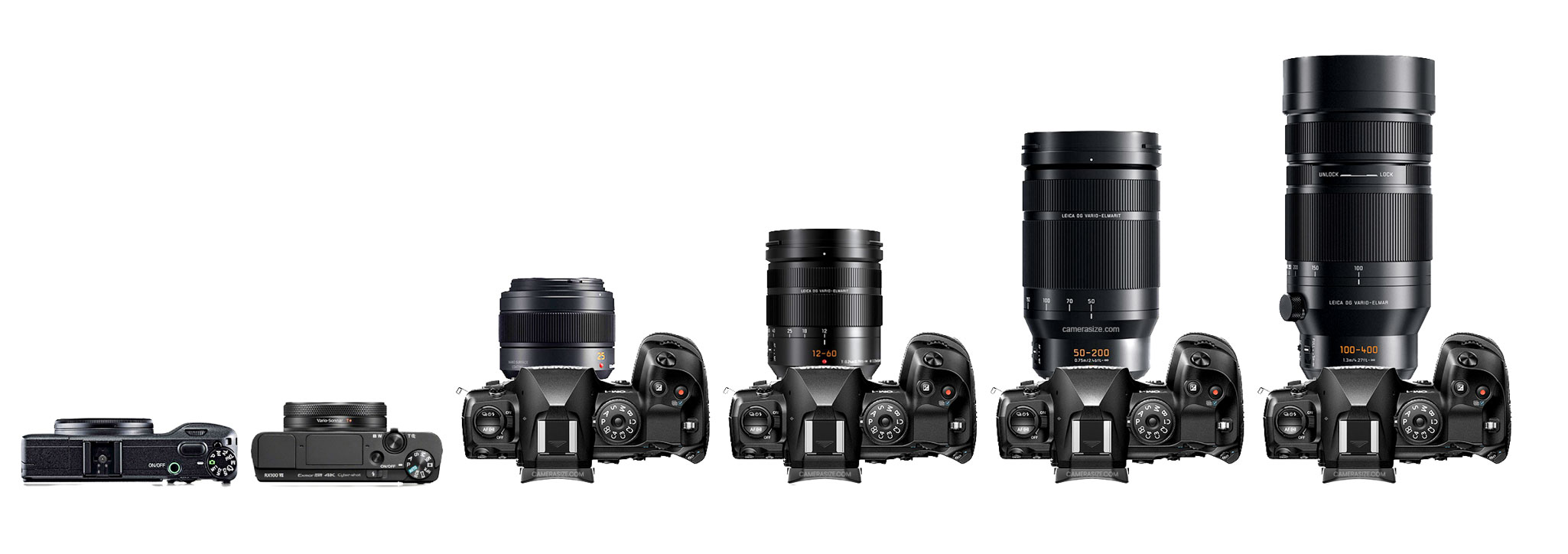
- Ricoh GR – Street & Travel
- Sony RX100 VII – Concerts & Travel
- Olympus OM-1 – General & Specialist Photography
- OM SYSTEM – HLD-10 Power Grip
- Leica Summilux – 25mm/F1.4 II ASPH Lens
- Leica Elmarit – 12 – 60 mm F2.8/4 Standard Zoom Lens
- Leica Elmarit– 50 – 200 mm F2.8/4 Telephoto Zoom Lens
- Leica Elmarit 100 – 400mm, F4.0/6.3 Ultra-Telephoto Zoom Lens
- Domke F-3X – Super Compact Camera Bag
- Tenba Fulton V2 – 10L Photo Backpack
This setup is not static; I test new cameras and lenses from time to time and occasionally swap pieces around. But the principle remains: comfort, capability, and enjoyment are paramount. I currently focus on micro four thirds for everyday use, and I have zero reason to switch.
Final Thoughts
Photography is about capturing life, not obsessing over gear. Over the years, this philosophy has made me a more relaxed and creative photographer. Reducing the physical and mental load of heavy gear allows me to focus on composition, timing, and storytelling. Whether wandering a city, hiking the countryside, or photographing a live show, having a camera I enjoy using makes all the difference.
The ultimate lesson? Choose gear that fits your style, carry what feels right, and get out there to make images. The rest is just noise.
Related Posts:
- Dusk to Dawn – 10 Shots Between Sunset and Sunrise
- What’s In My Camera Bag
- Finding Stories in Everyday Moments
- Behind The Shot