
A Childhood Legend That Never Left Me
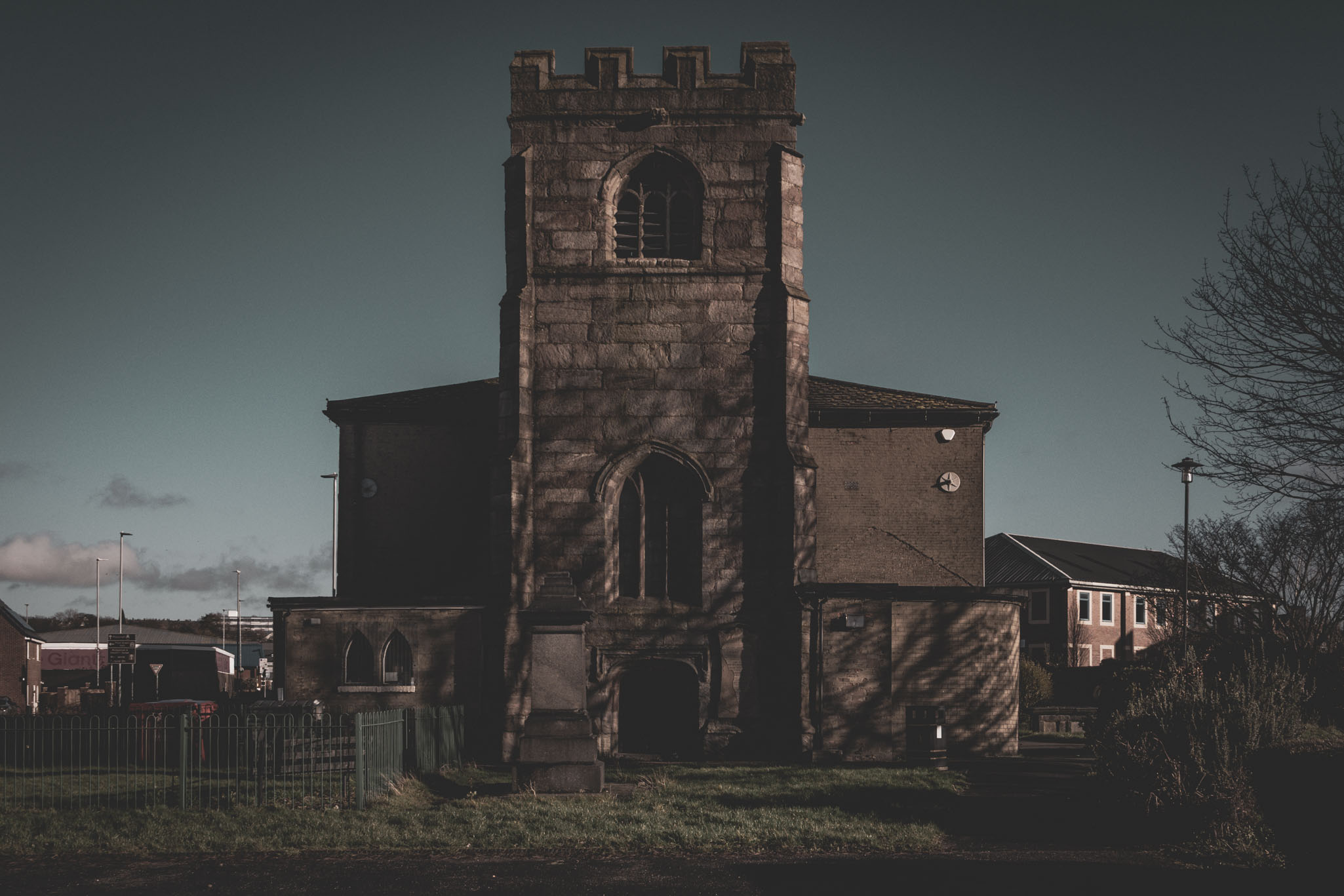
Growing up in North Staffordshire, certain local stories lived in the air long before you ever learned to read. The tale of Molly Leigh, the woman we all knew simply as the Burslem Witch, was one of those stories — part whispered myth, part playground warning, part strange source of regional pride. Her grave wasn’t in some distant place; it sat practically on our doorstep, barely a ten-minute drive from where I lived.
To outsiders, she was a footnote in a parish register.
To us locals, she was something much more alive.
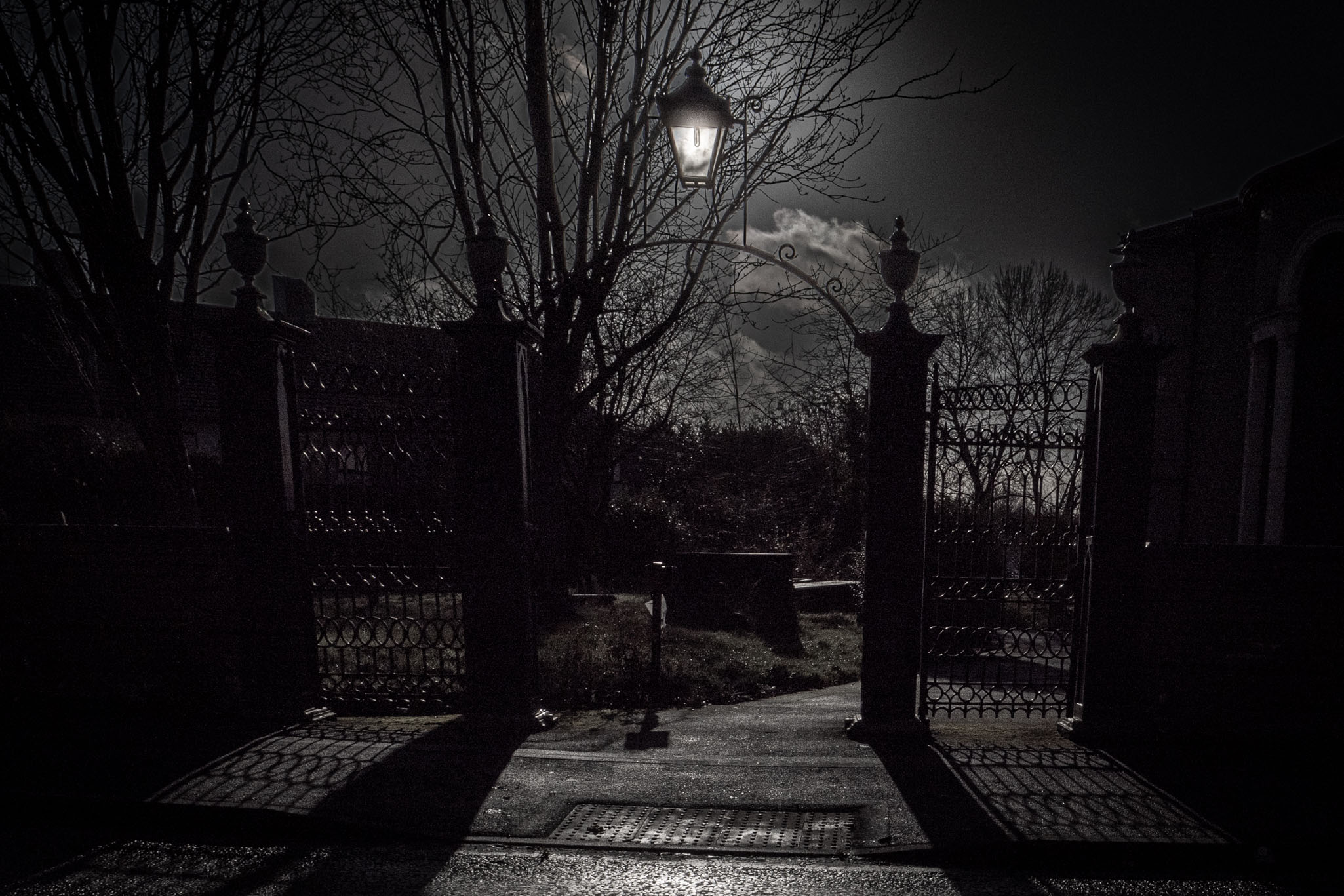
In the late 1970s, my school decided to give us a Halloween “treat.” Instead of cheap decorations, they arranged a twilight visit to Molly Leigh’s grave. A group of around ten of us — fourteen at most — gathered after school clutching torches that barely pierced the gloom. The air had that cold early-winter bite, the kind that made breath hang like ghost mist.
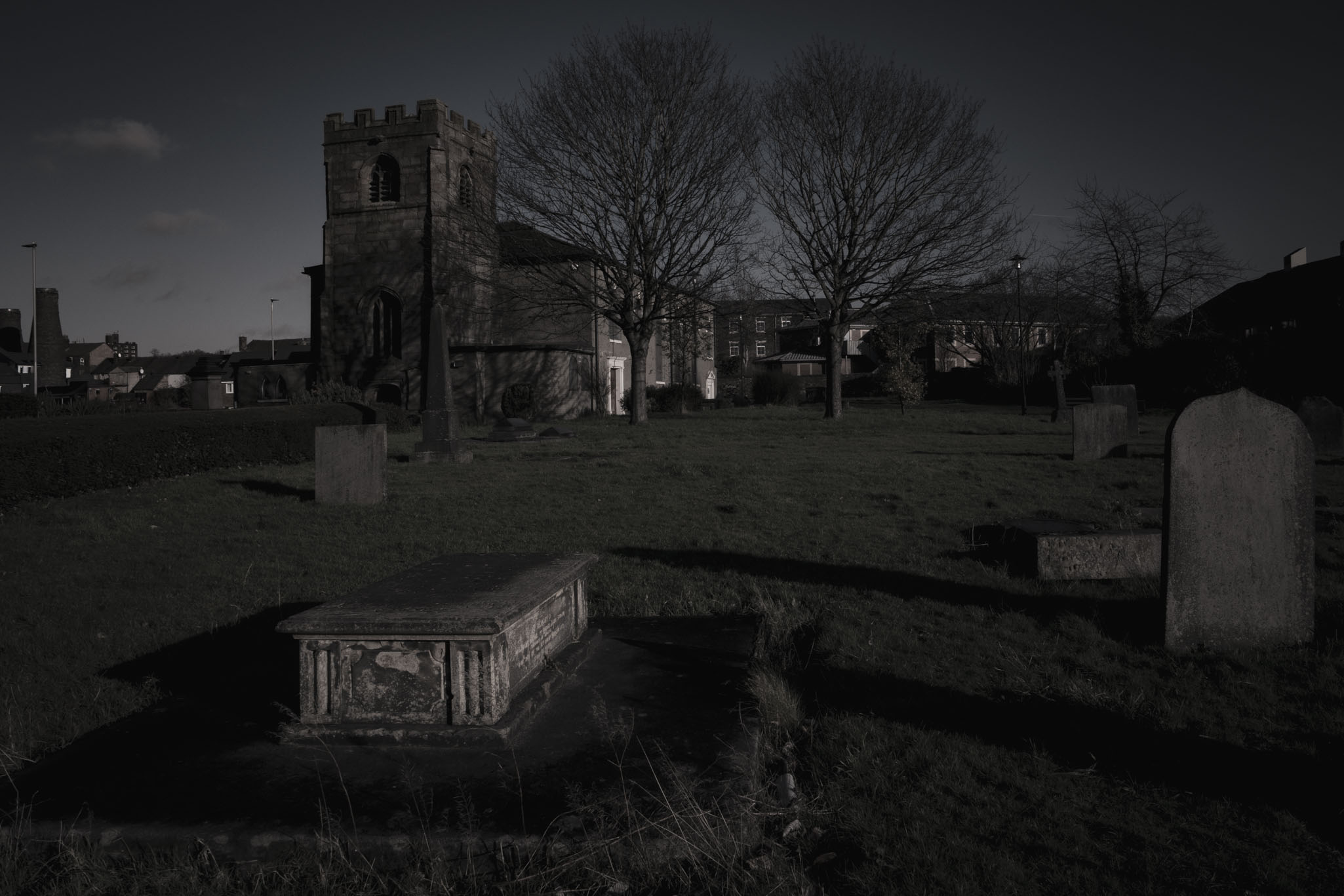
Our guide for the night was our history teacher, who already had a reputation for being a bit strange, the kind of teacher who enjoyed telling macabre stories just a little too much. Wrapped in a long overcoat and speaking in a deliberately slow, unsettling voice, he led us between crooked gravestones, their shadows bending in the torchlight.
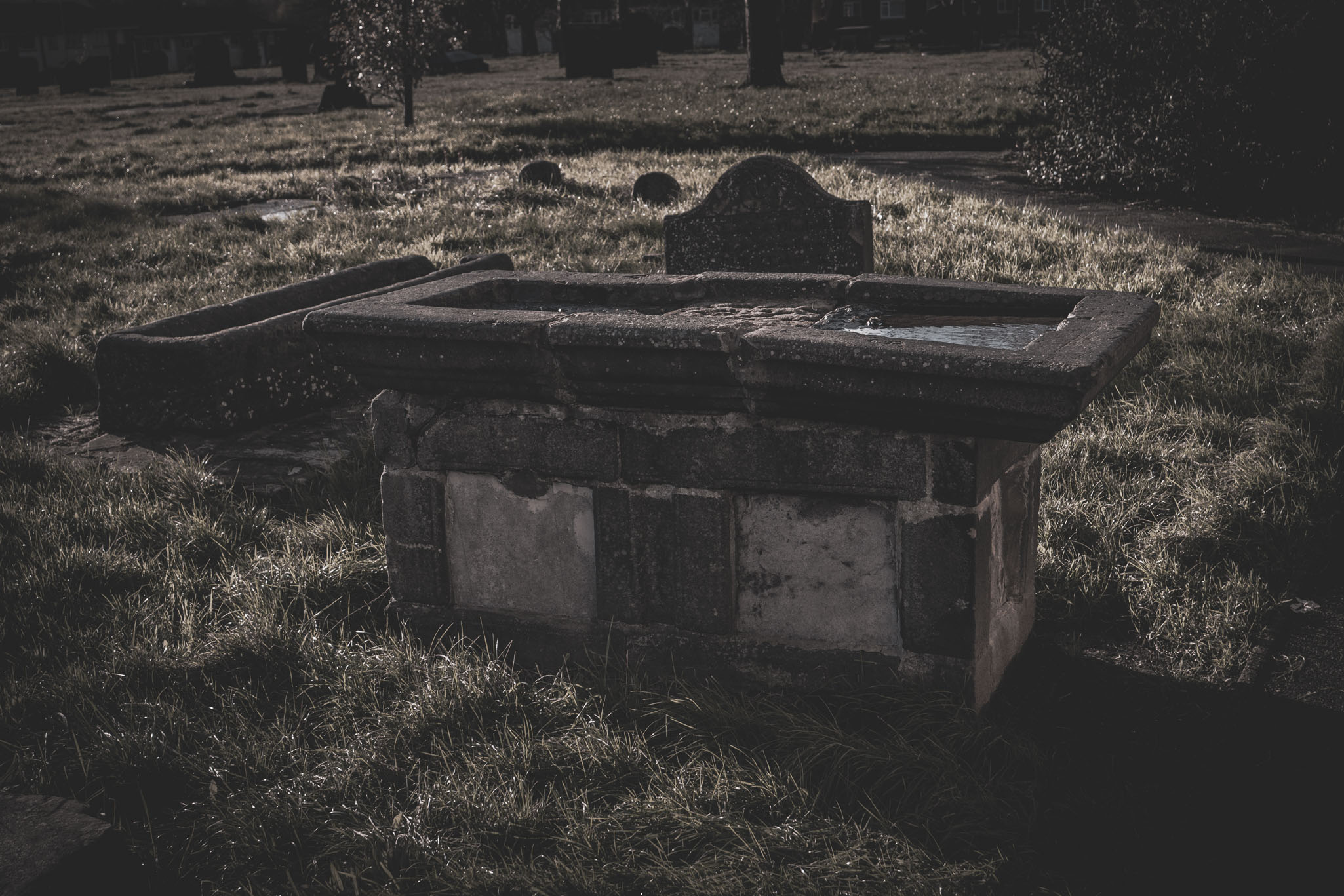
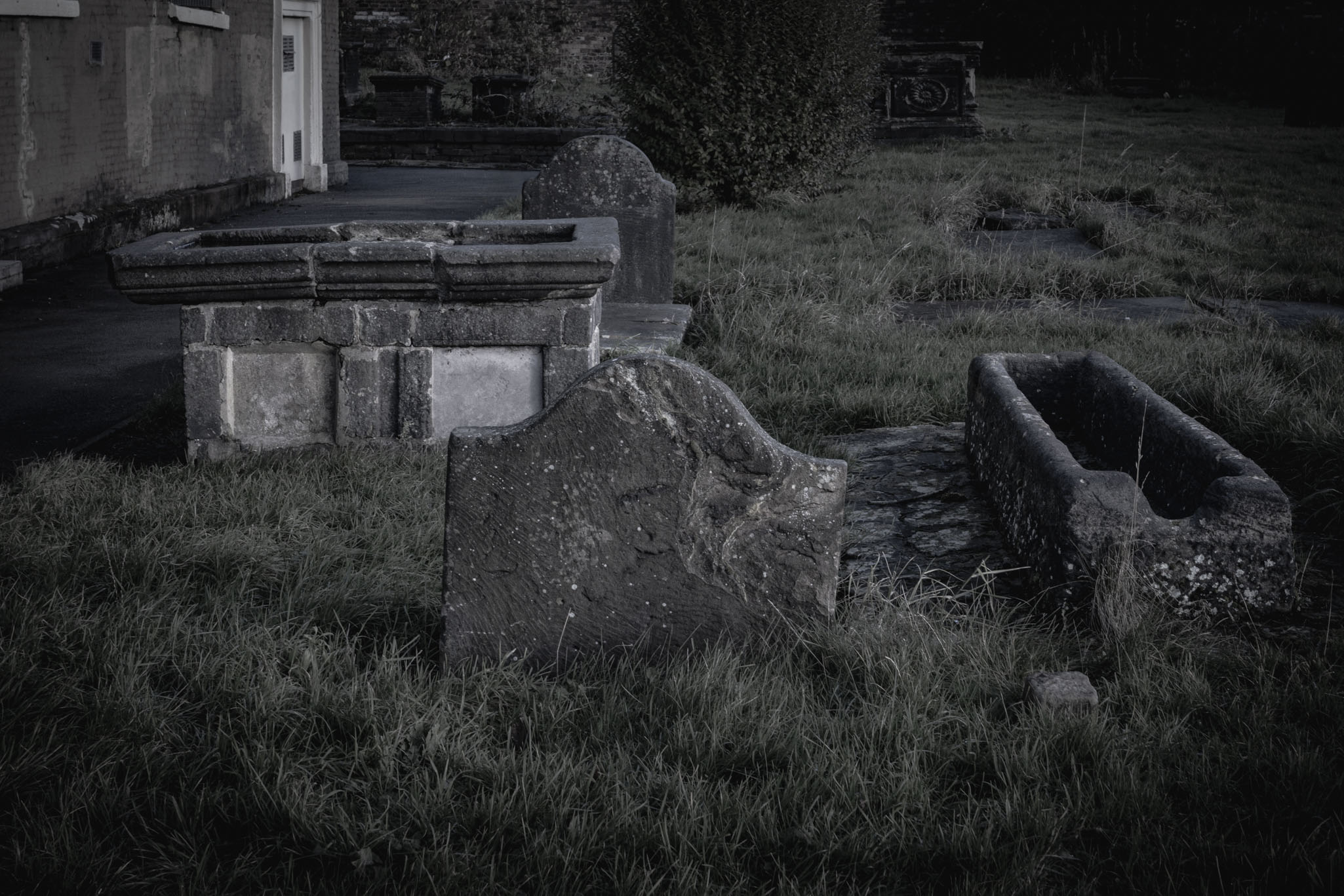
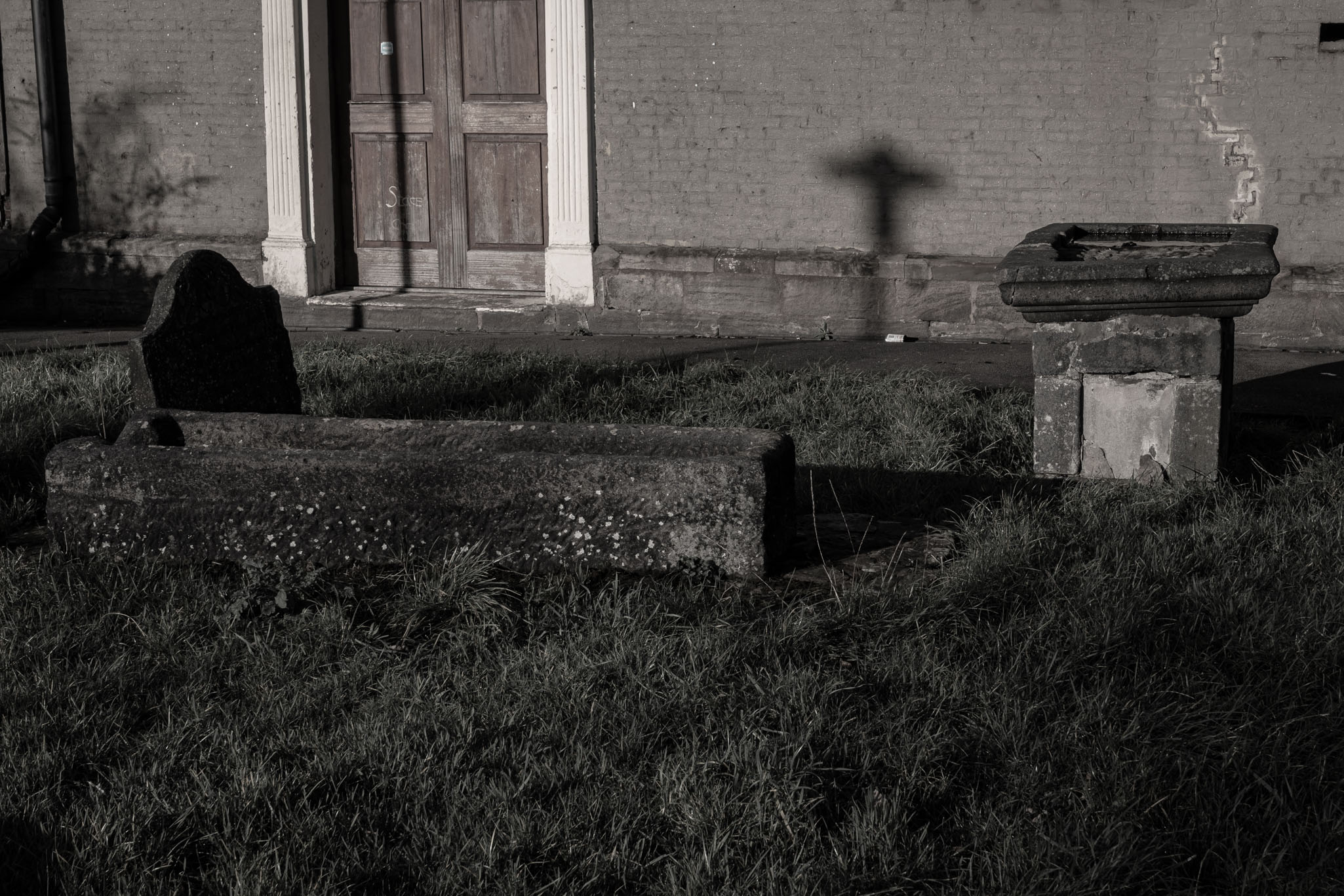
He stopped beside Molly’s sideways grave, placed a hand on the cold stone, and began recounting her story — a mixture of fact, rumour, and full-blown folklore. Every time the wind rustled the trees, at least one of us jumped. And yet we loved every second of it. Those moments, with our torches flickering over the grave of a woman who had become legend, have stayed with me ever since.
The Real Woman Behind the Myth
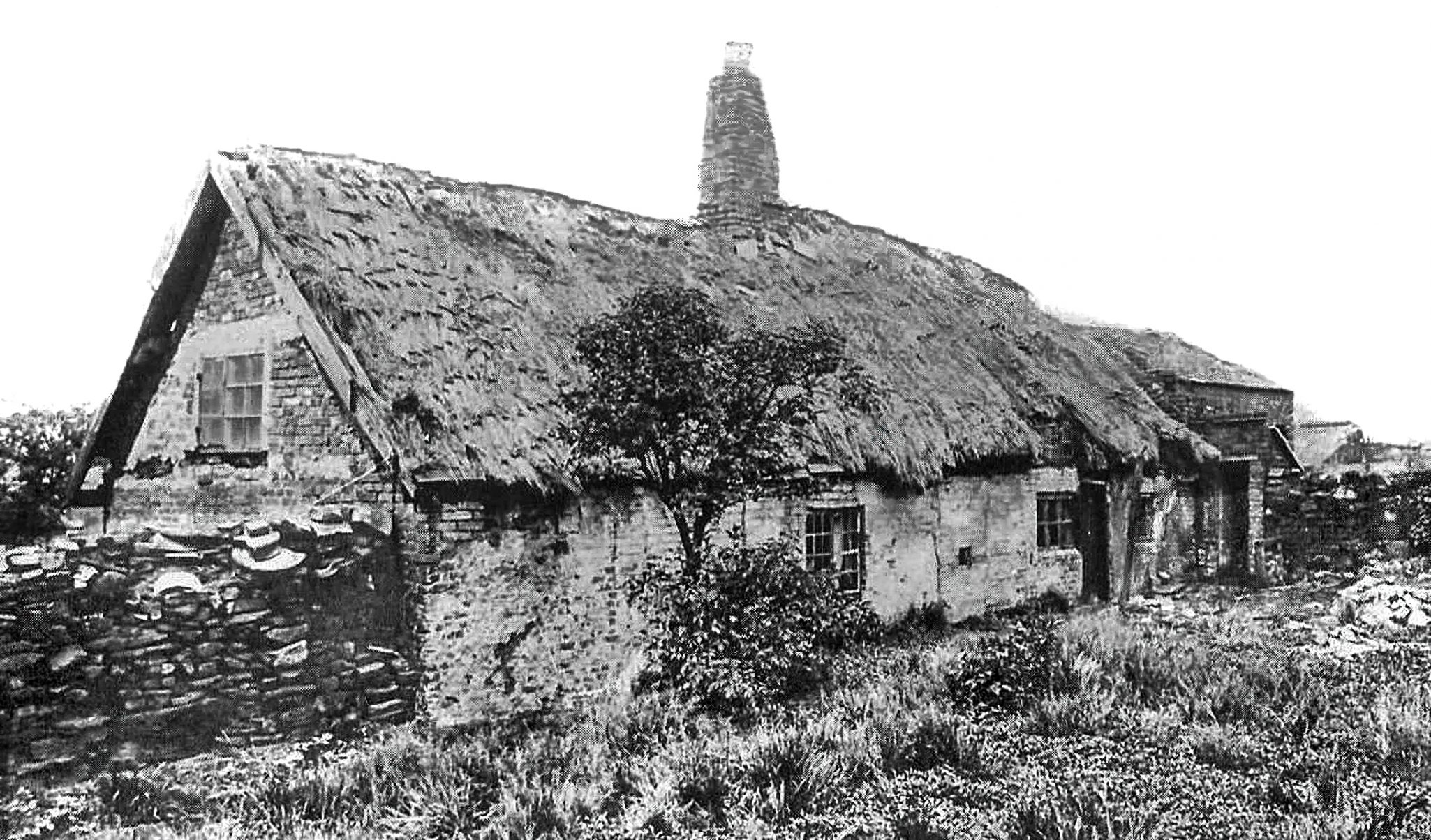
Before she became folklore, Margaret “Molly” Leigh was a very real woman living in early 18th-century Burslem. Born in 1685 and raised on the moor’s edge in a modest cottage at Jackfield, she grew up in a landscape of rough heathland, clay pits, potters, and superstition. Molly earned her living the hard way — tending livestock and selling milk to the local townspeople. She didn’t rely on a man, didn’t soften her words, and didn’t quite fit into the polite mould society expected of her.
And in the 1700s, a woman who lived independently was often looked at with suspicion.
One detail followed her through life: her blackbird, a loyal creature said to perch on her shoulder, follow her to market, and call sharply whenever others approached. Today we’d think nothing of someone keeping a tame bird or having a close bond with an animal.
But in the 18th century, a solitary woman with a sharp tongue and a blackbird that never left her side was more than enough to start rumours.
When Rumour Meets Religion
The local rector, Reverend Thomas Spencer, is at the centre of almost every version of Molly’s story. Known for spending more time in the tavern than the church, the Reverend enjoyed telling people that Molly could spoil beer at the Turk’s Head Inn simply by passing the window.
He painted her as a troublemaker, a witch, a woman whose very presence brought misfortune. And when a clergyman spoke, the villagers listened. Soon, any unexplained illness, spoiled milk, or sudden setback was linked directly back to Molly Leigh.
A cow died?
Molly must have cursed it.
A child fell ill?
Molly walked past their door that morning.
The world was simpler then — too simple — and fear was a convenient explanation for anything that went wrong.
By the time Molly passed away in 1748, the town had already decided what she was.
Death Didn’t Quiet the Story
Most people’s stories end when they die.
Molly’s truly began.
Only days after her burial, whispers started to drift through Burslem. People claimed they saw her ghost, that her blackbird circled the churchyard at night, that strange knocks and taps were heard near her coffin.
Reverend Spencer insisted she was tormenting him from beyond the grave. Whether he truly believed this or simply wanted to strengthen his earlier accusations, nobody can say. What is recorded is what he and several men did next.
One night, they crept into the churchyard with lanterns and dug up Molly’s coffin. What happened next depends on which version of the tale you hear:
- Some say they found her body untouched by decay, looking as if she had only just been laid to rest.
- Others claim they drove a stake through her heart to stop her rising again.
- Another version says they caught her blackbird, killed it, and buried it inside the coffin alongside her.
- And many maintain they turned her grave so she lay north–south, sideways, refusing her a Christian orientation and marking her as separate forever.
Whatever the truth, her grave remains in that strange position even now — unmistakably different from every other grave around it.
Folklore That Survived Centuries
With time, Molly’s story grew into something even larger. Children recited playground rhymes:
“Molly Leigh, Molly Leigh,
Chase me round the apple-tree.”
Teenagers dared each other to touch her gravestone at night. Visitors claimed to feel watched as they passed the churchyard.
And always, always, a blackbird seemed to appear in the story.
Folklore isn’t written — it grows.
It breathes.
It changes with every generation that retells it.
But it never disappears.
Today, historians paint a far more sympathetic picture. Molly Leigh wasn’t a witch. She was a misunderstood, independent woman with a fiery personality and a pet bird — someone who simply didn’t fit the expectations of her time. Yet the folklore remains, and perhaps that’s part of her legacy: she refuses to be forgotten.
Standing at her grave today, especially on a quiet evening when the wind rolls down the moor and the churchyard is still, it’s easy to understand why her story survived.
A Local Legend Worth Remembering
For me, Molly Leigh isn’t just a story in a dusty archive. She’s part of my childhood. Part of where I grew up. Part of the strange, atmospheric character of the Potteries themselves — a place where history and superstition rub shoulders, and where the past never quite stops whispering.
Every town has its stories.
Burslem has Molly Leigh.
And her legend — spooky, tragic, and endlessly fascinating — lives on.
Useful Information:
- 🌎 Location: Molly Leigh’s Grave is located at St John’s Church, Burslem, Stoke-on-Trent.
- ℹ️ Details: The grave belongs to Margaret ‘Molly’ Leigh (1685–1748)
- 🏡 Nearby landmark: Three magnificent bottle kilns (historic pottery industry landmarks).
- ⏰ Opening hours: Generally accessible 24/7
- The grave is located in a public churchyard, which is typically open all hours. Access to the church building itself is limited to service and event times.
- 🅿️ Parking: On-site parking.
- 📍 Satnav: 20 Leonora St, Burslem, Stoke-on-Trent ST6 3BS
- 🧭 Coordinates: 53.04253978085946, -2.1962087587807546
- 💬 Access tip: The grave is the only one set transversely (North-South)
Related Posts:
- Mi Amigo: Remembering the 1944 Sheffield Crash at Endcliffe Park
- The Chained Oak of Alton: Dark Folklore, Real History & the Legend Behind the Chains
- The Forgotten Spirits of Edinburgh Castle
- The Story of Greyfriars Bobby, Edinburgh’s Most Loyal Dog
- The Legend of Molly Leigh — The Burslem Witch
Related Tags:
Dark History Dark Tourism Disaster Sites Folklore True Crime Unsolved Mysteries